
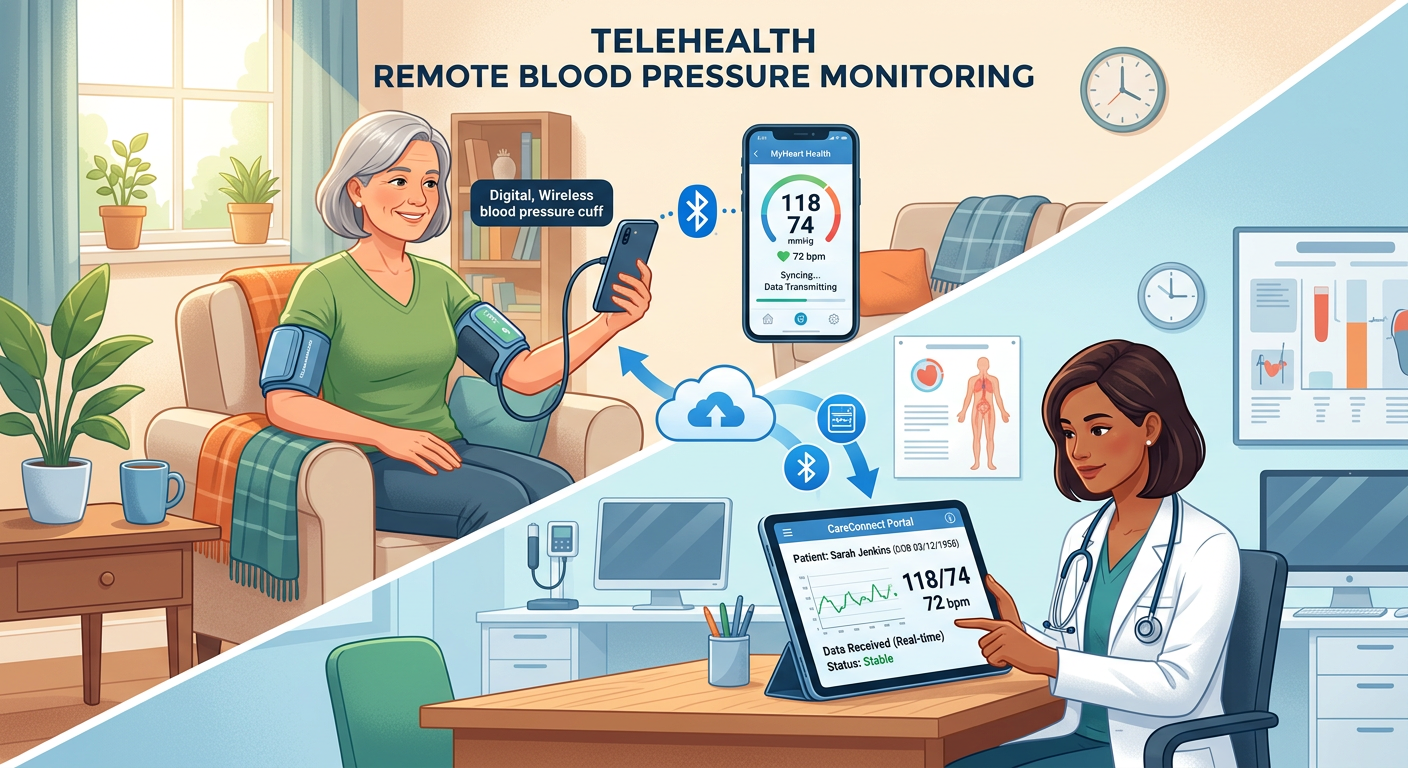
For decades, the blood pressure cuff in a care home was a snapshot: a number taken at a point in time, recorded in a paper file, and reviewed at the next GP visit. If something was wrong in between, nobody knew. That is no longer good enough, and a growing number of care providers across England are proving it does not have to be.
Remote blood pressure monitoring with real-time data sharing is one of the most quietly consequential shifts happening in UK adult social care right now. It is not glamorous. It does not attract the headlines that AI diagnostics or companion robots do. But for the residents living with hypertension, heart failure, or post-stroke conditions in care homes up and down the country, it is the technology that is most directly keeping them out of hospital.
From Episodic to Continuous: A Fundamental Shift
The traditional model of blood pressure monitoring in residential care was, by its nature, reactive. A reading was taken when a carer remembered, when a GP visited, or when a resident complained of feeling unwell. The gaps between those moments were clinically blind spots. For a resident whose blood pressure fluctuates significantly across the day, or whose antihypertensive medication needs careful titration, those blind spots carried real risk.
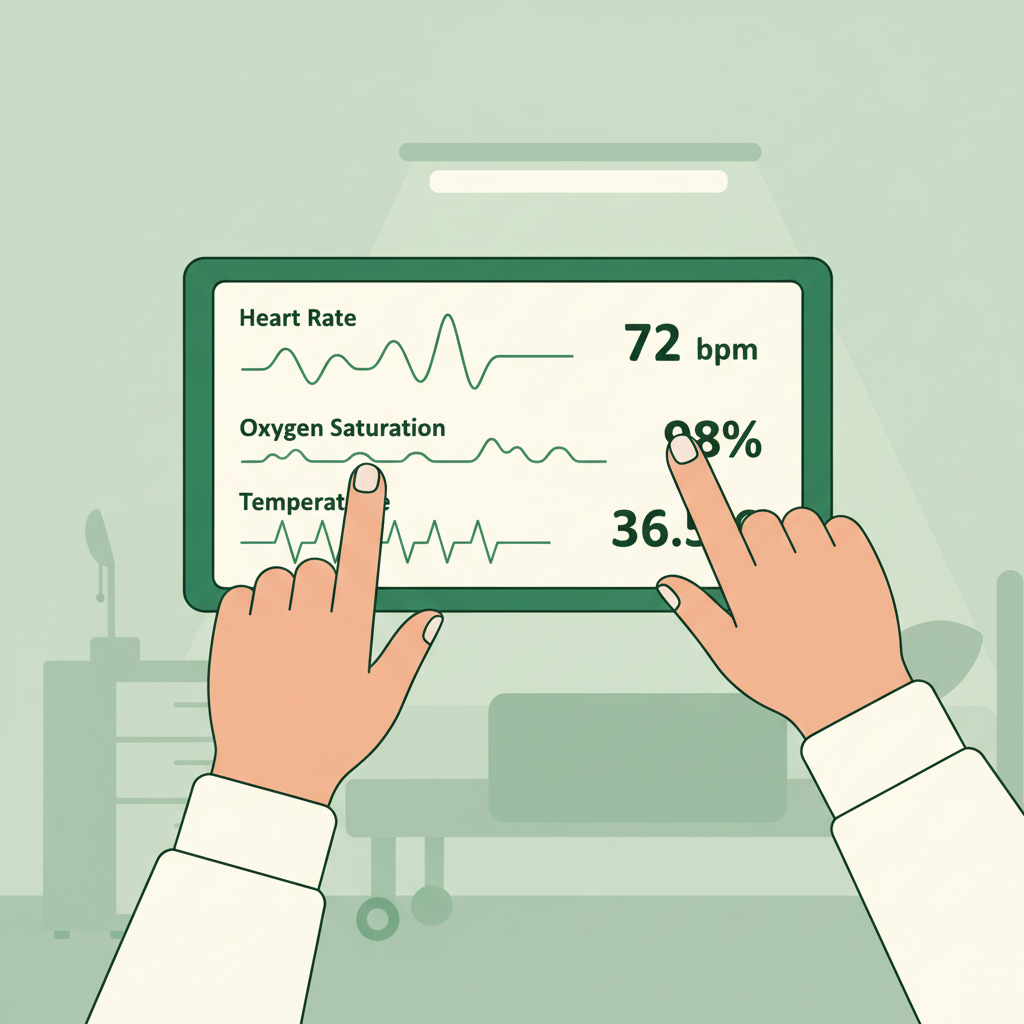
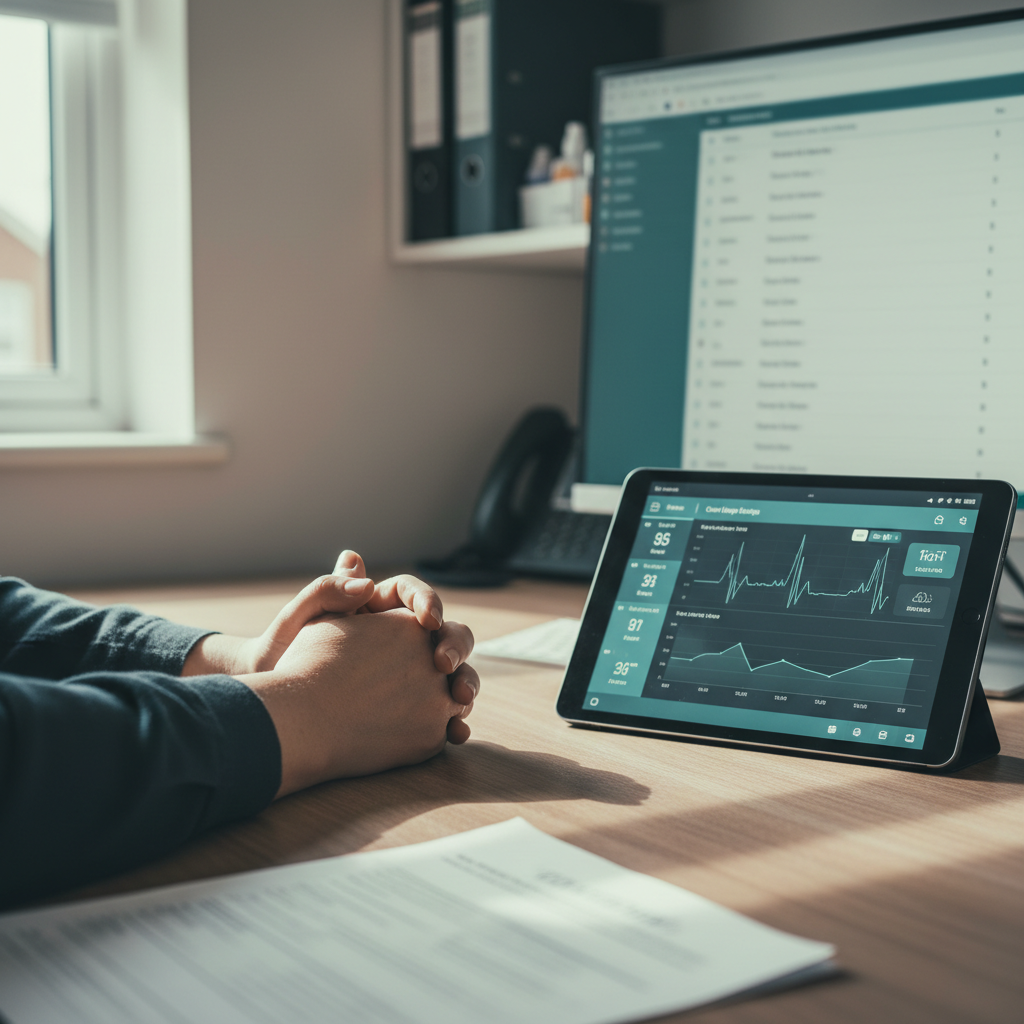
Modern remote monitoring platforms change this entirely. Devices now exist that allow care staff to take validated readings in under a minute, with results transmitted automatically to a cloud-based dashboard accessible by the care team, the GP, and community nursing colleagues. Some systems go further, enabling residents to self-monitor with minimal assistance, with readings flagged automatically when they fall outside agreed parameters.
The clinical value is not theoretical. NHS England’s own virtual ward programmes, which have expanded significantly since 2023, have demonstrated that continuous monitoring of high-risk care home residents reduces avoidable hospital admissions. Blood pressure is one of the most monitored parameters in those programmes, and the data is unambiguous: earlier detection of deterioration leads to earlier intervention, and earlier intervention keeps people out of A&E.
What Good Looks Like in Practice
The care homes doing this well share a few characteristics. First, they have chosen platforms that integrate with their existing digital care records, so a blood pressure reading does not sit in a separate silo but becomes part of the resident’s longitudinal health picture. Second, they have invested in staff training: not just how to use the device, but how to interpret trends and when to escalate. Third, they have established clear clinical governance pathways with their GP practices and community health teams, so that an alert generated at 11pm on a Sunday reaches someone who can act on it.
That last point matters more than the technology itself. The device is only as useful as the system around it. Care homes that have deployed remote monitoring without the clinical infrastructure to respond to alerts have found themselves with data they cannot act on, which is arguably worse than no data at all. The providers getting the best outcomes are those who treated the technology as the start of a conversation with their health partners, not the end of one.
The Integration Opportunity
One of the most significant developments in this space is the growing connectivity between care home monitoring platforms and NHS systems. GP Connect, the Summary Care Record, and Shared Care Record initiatives have created the technical foundations for care home blood pressure data to flow directly into the clinical record that a GP or pharmacist reviews. A handful of integrated care systems are already piloting exactly this, with care home staff able to share a week’s worth of blood pressure readings with a remote pharmacist conducting a medication review, without a single phone call or fax.
This is what integrated care is supposed to look like in practice: not a policy document, but a care home manager in Lincolnshire being able to show a community nurse in real time that a resident’s systolic pressure has been creeping upward for five days. The technology to do this exists. The will to implement it, at scale, is growing.
The Workforce Dimension
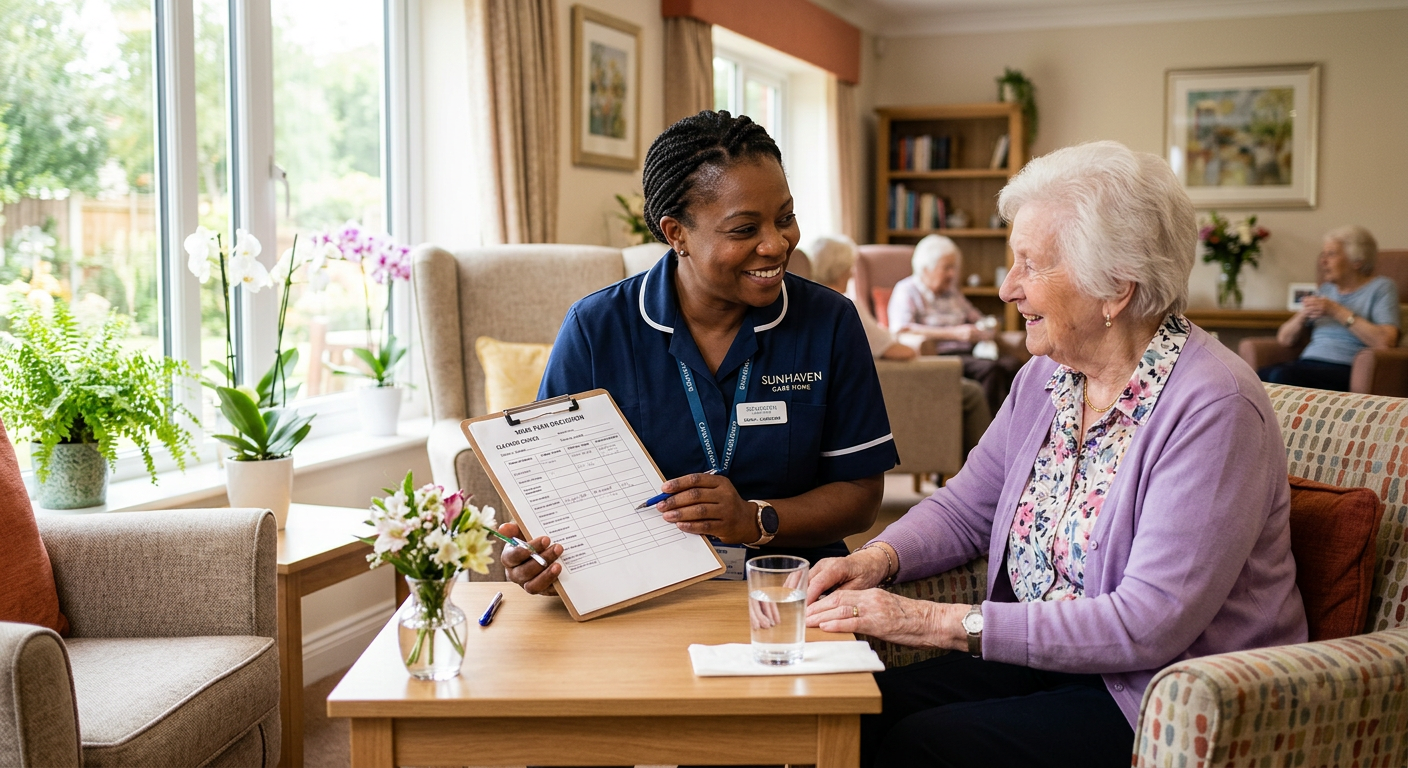
There is a workforce story here too, and it is a positive one. Care staff who use remote monitoring platforms consistently report that the technology increases their confidence. Knowing that a reading will be reviewed by a clinician, and that an alert will be generated if something looks wrong, reduces the anxiety that comes with caring for medically complex residents without immediate clinical support on site. It also creates a professional development opportunity: staff who understand what blood pressure trends mean, and who can articulate clinical concerns clearly to a GP, are more skilled and more valued.
This is not about replacing clinical judgement with algorithms. It is about giving the people who spend the most time with residents the tools to surface what they are observing, in a form that clinicians can act on.
A Signal Worth Following
Remote blood pressure monitoring will not solve the structural challenges facing UK adult social care. It will not fix the workforce crisis, resolve the funding gap, or simplify the regulatory environment. But it is a clear, evidence-backed example of technology doing exactly what technology should do in care: reducing risk, improving outcomes, and making the work of caring for vulnerable people a little more supported and a little less isolated.
The care homes that have embraced it are not outliers or early adopters chasing novelty. They are providers who looked at the gap between what their residents needed and what the traditional model could offer, and decided to close it. That is not a small thing. That is what good care leadership looks like.