
Every year, thousands of care home residents deteriorate silently overnight. A drop in oxygen saturation. A creeping fever. A heart rate that climbs and climbs while the night shift is stretched across a corridor of thirty rooms. By the time someone notices, the window for early intervention has often closed. The question the sector needs to answer honestly is this: how long are we prepared to keep relying on intermittent spot-checks when continuous monitoring technology already exists?
Where the Sector Currently Stands
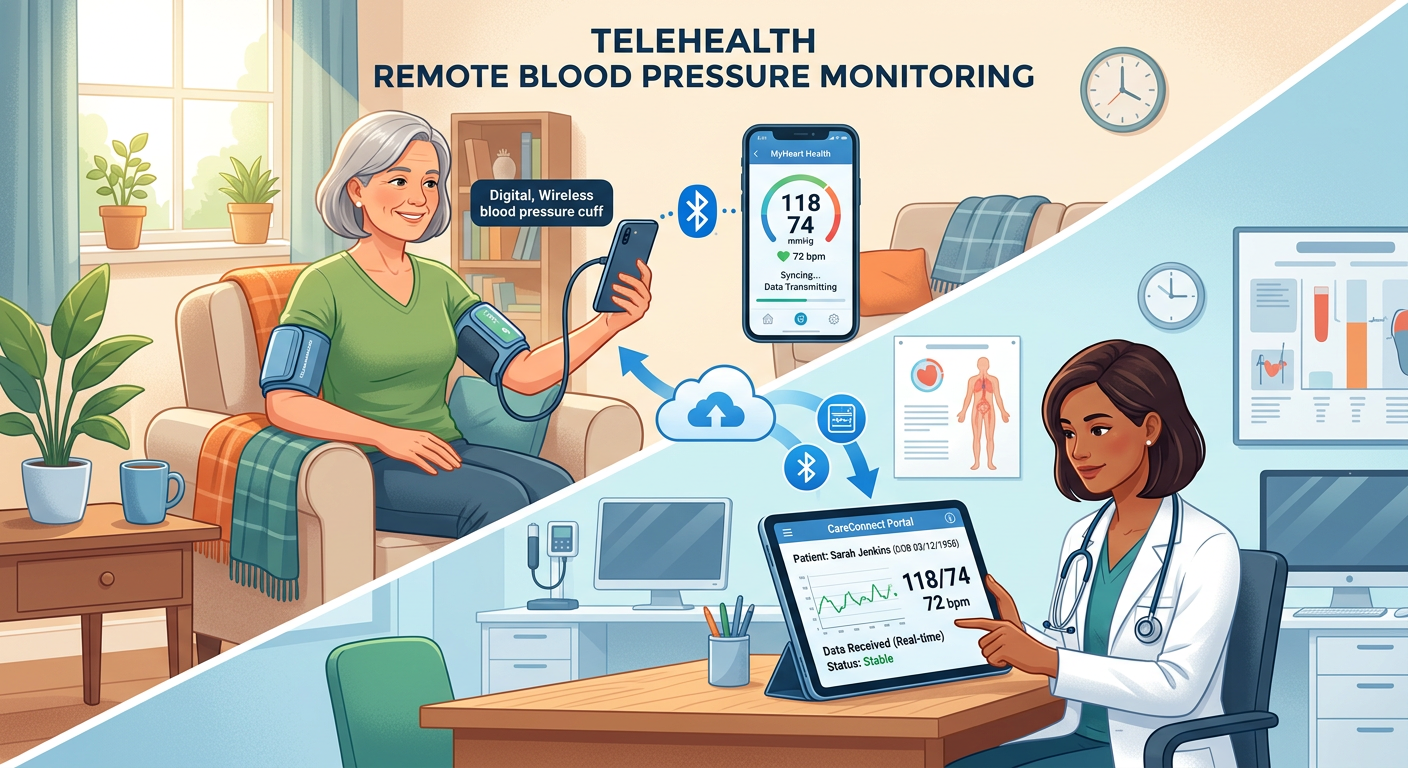
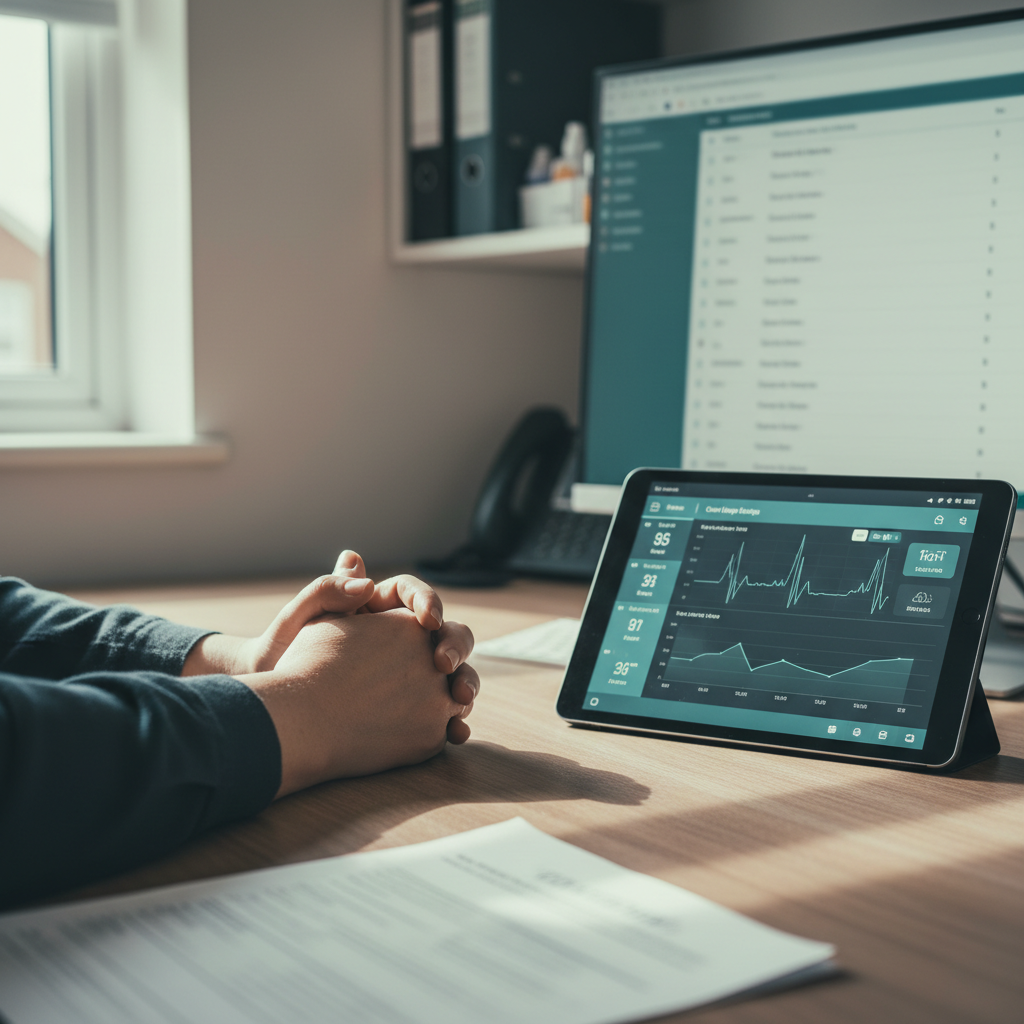
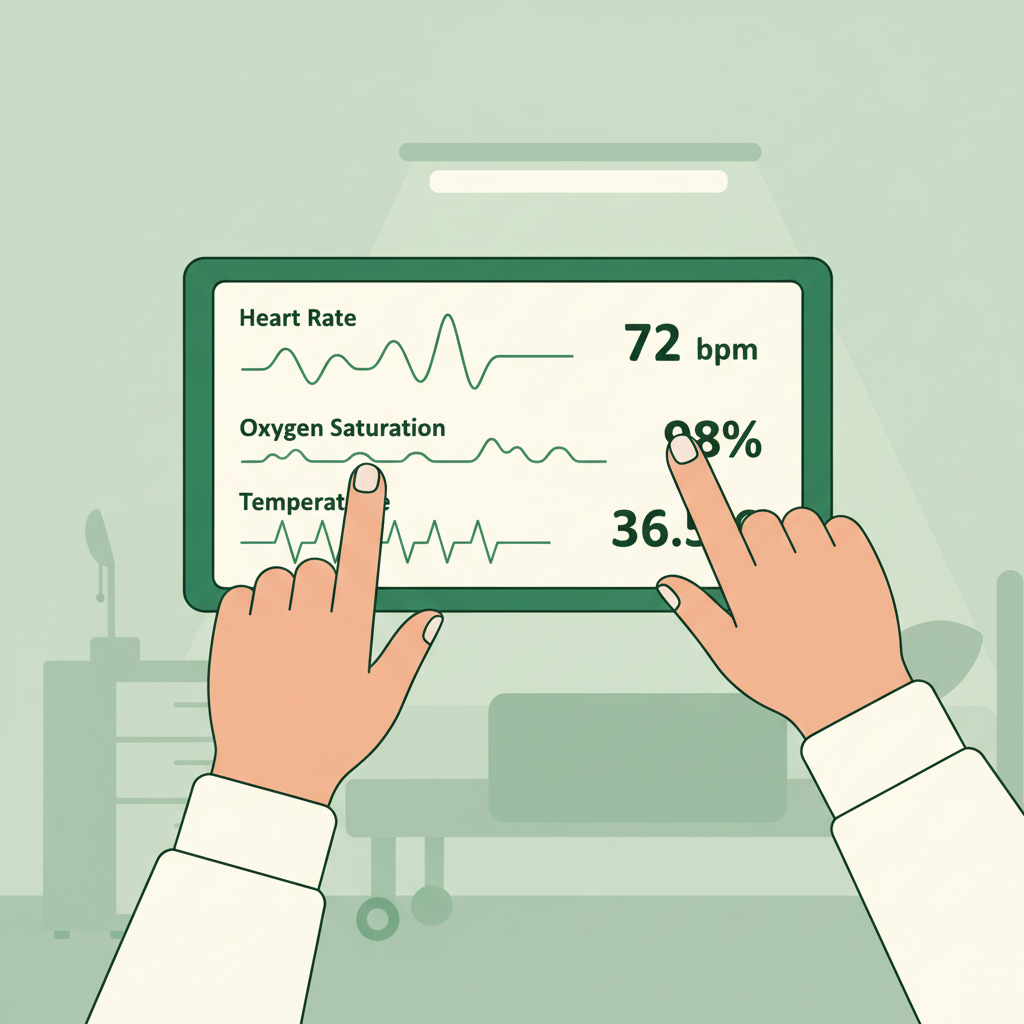
Continuous vital signs monitoring, devices that track heart rate, respiratory rate, oxygen saturation, temperature and blood pressure in real time, without requiring a nurse to be physically present, has been commercially available for several years. Yet adoption across UK adult social care remains low. A 2024 survey by the Technology Enabled Care programme found that fewer than one in five care homes had deployed any form of continuous physiological monitoring beyond basic pulse oximetry. The majority still rely on scheduled observations: twice daily, or at best four-hourly for high-dependency residents.
That gap between what is technically possible and what is operationally normal is not primarily a technology problem. It is a procurement problem, a training problem, and, most significantly, a cultural problem about what care homes believe they are expected to do.
The Clinical Case Is Already Made
The evidence base for continuous monitoring in older adult populations is substantial. Studies from NHS virtual ward programmes have consistently shown that early detection of deterioration, flagged by subtle changes in respiratory rate or oxygen saturation, reduces emergency hospital admissions and improves outcomes. The National Early Warning Score (NEWS2) system, now embedded in NHS acute settings, is predicated on exactly this logic: that trend data over time is more clinically meaningful than a single reading taken at handover.
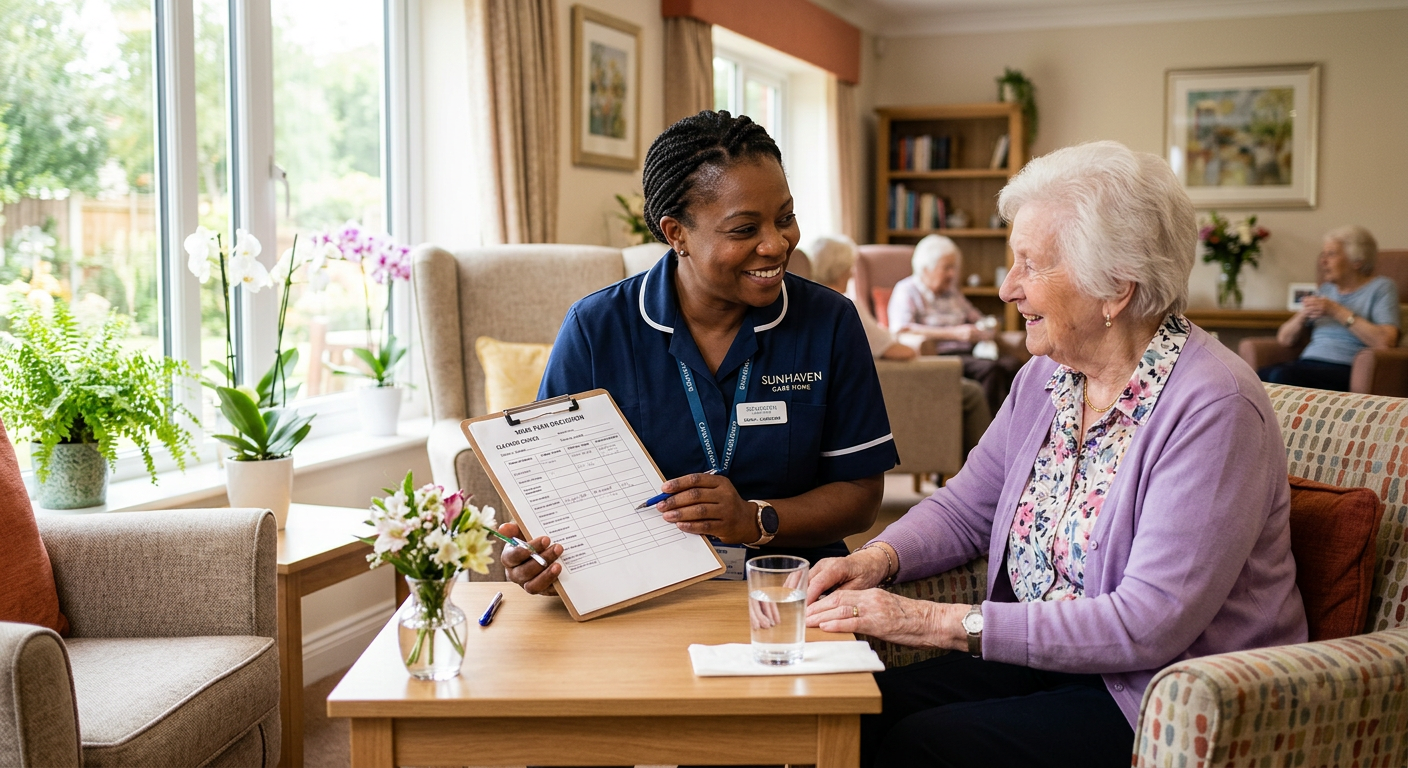
Care homes, which house some of the most clinically complex and frail individuals in the country, are conspicuously absent from this monitoring infrastructure. A resident with heart failure, COPD, or post-surgical recovery may be living in a setting where their vital signs are checked less frequently than a patient in a GP waiting room.
The technology now available, including non-invasive wearable patches, under-mattress sensors, and contactless radar-based monitoring systems, removes many of the historical barriers. Residents do not need to be woken. Devices do not require clinical training to apply. Alerts can be routed directly to staff smartphones or nurse call systems. The infrastructure argument is largely exhausted.
What Is Actually Holding Adoption Back
Three structural barriers persist. First, funding. Continuous monitoring devices carry upfront costs that most care home operators, particularly smaller independent providers, cannot absorb without commissioner support. Integrated Care Systems have been slow to extend virtual ward funding models into care home settings, despite the obvious logic of doing so.
Second, alert fatigue. Providers who have piloted continuous monitoring frequently report that poorly configured systems generate excessive alarms, eroding staff confidence and creating new forms of workload pressure. This is a solvable problem. It requires proper clinical configuration and threshold-setting, but it demands implementation support that most providers are not receiving.
Third, and most fundamentally, there is a persistent assumption in parts of the sector that continuous monitoring belongs in hospitals, not care homes. This assumption is increasingly difficult to defend. As care homes take on more complex residents; post-acute discharges, end-of-life care, residents with multiple long-term conditions, the clinical acuity of the population has shifted dramatically. The monitoring infrastructure has not kept pace.
The Integration Imperative
Continuous vital signs monitoring does not deliver its full value in isolation. Its real power emerges when it is integrated with electronic care records, nurse call systems, and, where available, shared care record platforms that give community nursing teams and GPs visibility of the same data. A care home that can show a GP a 72-hour trend in a resident’s respiratory rate is having a fundamentally different clinical conversation than one that can only report what was observed at the last scheduled check.
This integration layer is where the sector’s digital maturity gap bites hardest. Providers running paper-based or fragmented digital systems cannot easily absorb continuous monitoring data into a coherent clinical picture. The case for continuous monitoring is, in this sense, also a case for broader digital investment, and for the commissioning frameworks that make it viable.
The 2025 Reality
The honest picture is one of significant promise and significant inertia. A small but growing number of care providers, typically larger groups with dedicated digital leads and commissioner partnerships, are deploying continuous monitoring effectively and reporting measurable reductions in unplanned hospital admissions. The majority of the sector is watching from a distance, waiting for clearer guidance, more accessible funding, or a regulatory signal that this is now expected rather than aspirational.
That signal has not yet arrived with sufficient force. But the direction of travel is unmistakable. As NHS England‘s virtual ward agenda matures and Integrated Care Boards look for ways to reduce acute pressure, care homes that can demonstrate proactive clinical monitoring will be better positioned, for commissioning relationships, for CQC evidence, and for the residents in their care.
The technology is ready. The clinical case is made. What remains is the will, and the funding architecture, to close the gap between what is possible and what is routine.
Related Reading
- The Care Home That Knows Before You Do: Why Ambient Assisted Living Is No Longer Optional
- The CQC Inspection Is Coming. Is Your Evidence Ready, or Just Somewhere on a Shelf?
- Beyond the Basics: Picking Bed and Chair Alarms That Deliver Real Protection for Vulnerable Residents
Frequently Asked Questions
What is continuous vital signs monitoring in care homes?
Continuous vital signs monitoring uses wearable sensors or contactless devices to track residents’ heart rate, respiratory rate, oxygen saturation and temperature around the clock—without requiring staff to take manual observations. Alerts flag deterioration before it becomes a crisis.
Is remote vital signs monitoring regulated in UK care homes?
Devices used clinically are regulated by the MHRA. Care homes using monitoring for early warning should ensure devices are CE or UKCA marked, and that alert protocols are documented and linked to a clear escalation pathway agreed with the GP or community nursing team.
How much does continuous monitoring cost for care homes?
Costs vary significantly by technology type. Wearable patch systems typically run £5–15 per resident per day on subscription models. Contactless under-mattress sensors are often lower cost. Total cost-of-ownership analysis should factor in reduced hospital admissions and out-of-hours call costs.