
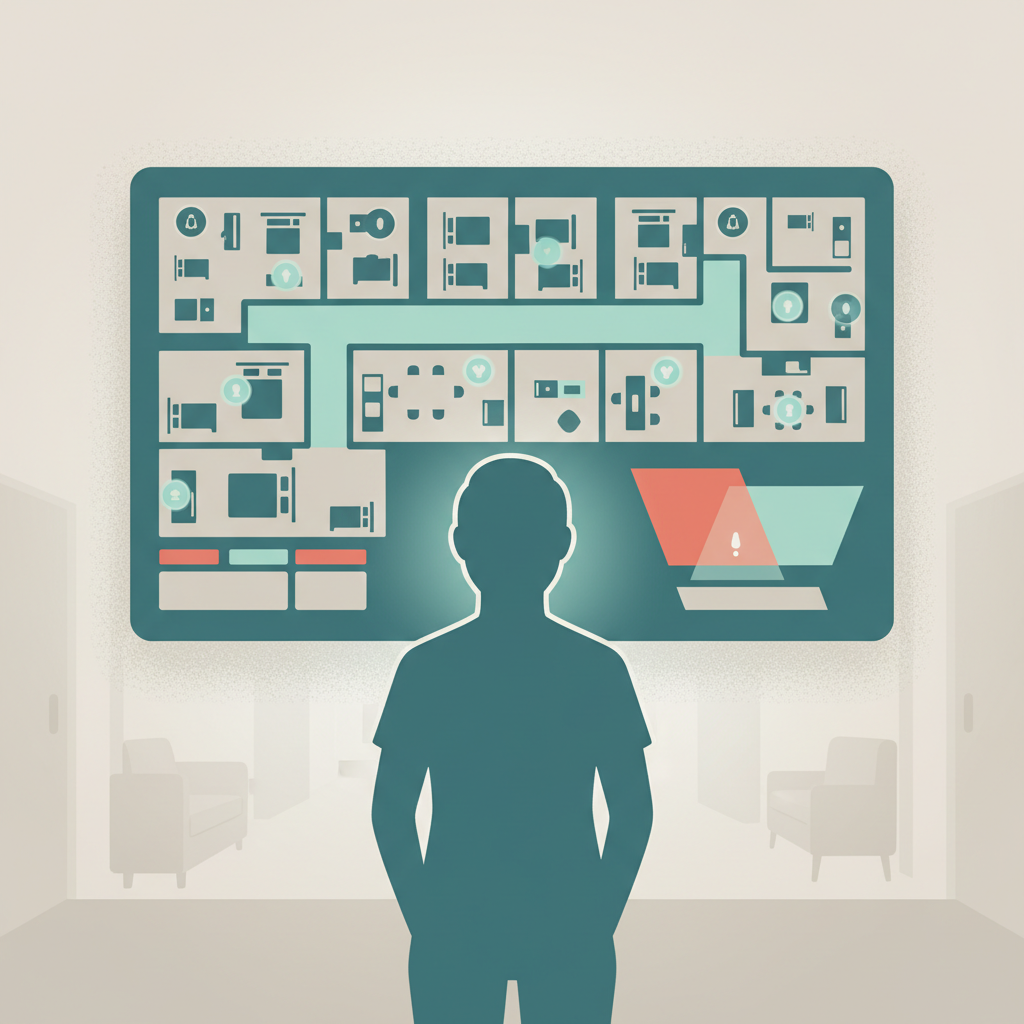
There is a moment familiar to any care home manager who has worked a night shift when the building goes quiet and the anxiety begins. Somewhere along a darkened corridor, a resident is sleeping, or not sleeping, or moving, or falling. You cannot know which. You are relying on rounds, on instinct, on luck. That moment, repeated thousands of times every night across England’s care homes, is precisely the problem that ambient assisted living technology was built to solve.
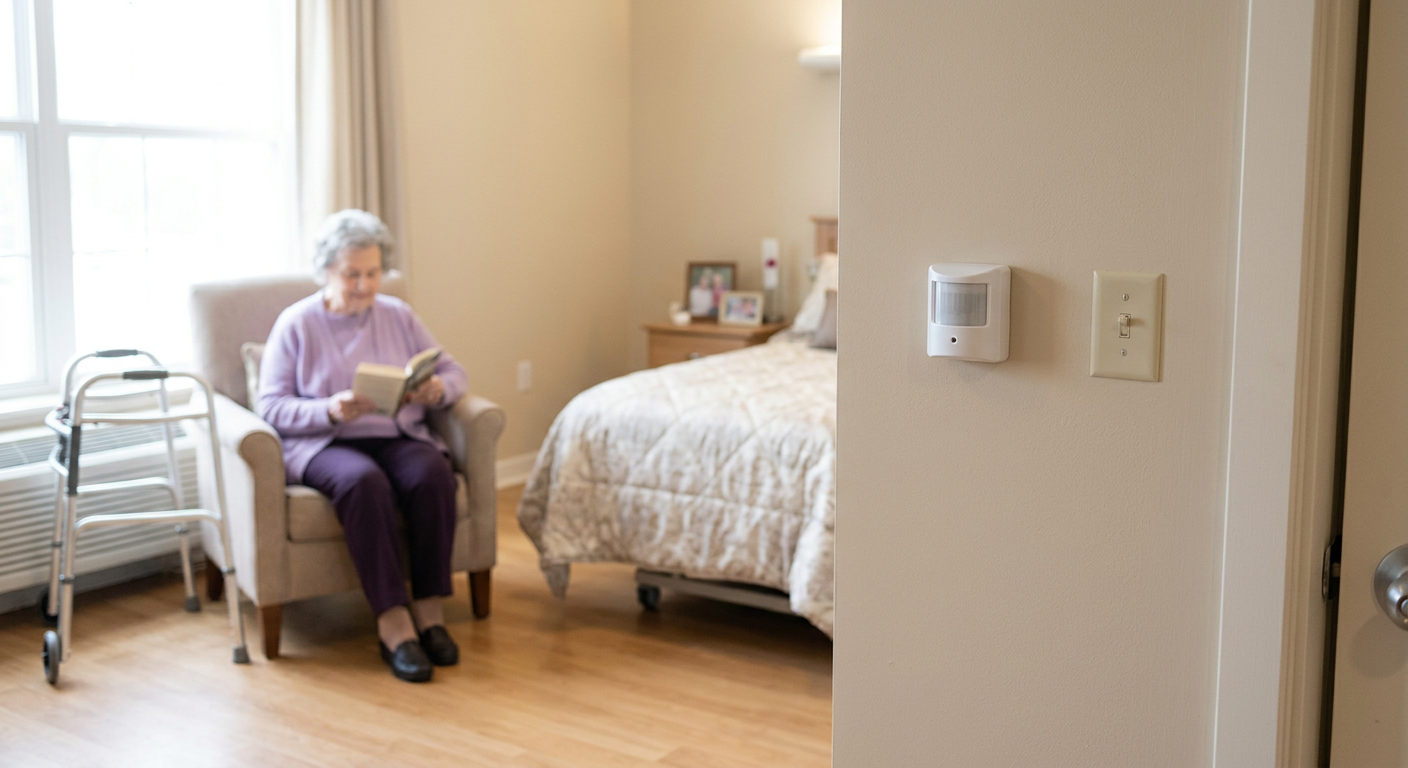
AAL sensor systems, the networks of passive infrared detectors, door contacts, bed occupancy sensors, and environmental monitors that can be woven invisibly into a care environment have existed in various forms for over a decade. What has changed is the intelligence behind them, the cost of deploying them at scale, and the growing recognition among serious operators that passive monitoring is not a luxury add-on. It is the foundation on which safe, person-centred care is built.
From Alarm to Insight
The first generation of smart care sensors was essentially a more sophisticated alarm system. A sensor triggered; a carer responded. The loop was reactive, and the value proposition was modest: faster response times, fewer missed incidents. Useful, but not transformative.
What the current generation of AAL platforms offers is categorically different. By aggregating data across multiple sensor types including movement patterns, bathroom visits, sleep quality, room temperature, and time spent in communal areas, these systems build a behavioural baseline for each resident. Deviation from that baseline becomes the signal. A resident who normally visits the bathroom twice between midnight and 6am but has gone four times in the past three nights is not triggering an alarm. They are generating a data point that, surfaced to the right person at the right time, might prompt a UTI check before the infection becomes a hospital admission.
This is the shift that matters: from smart care as a safety net to smart care as a clinical intelligence layer. The building itself becomes a continuous observer, one that never tires, never misses a shift, and never forgets what normal looks like for the resident in room 12.
The Integration Imperative
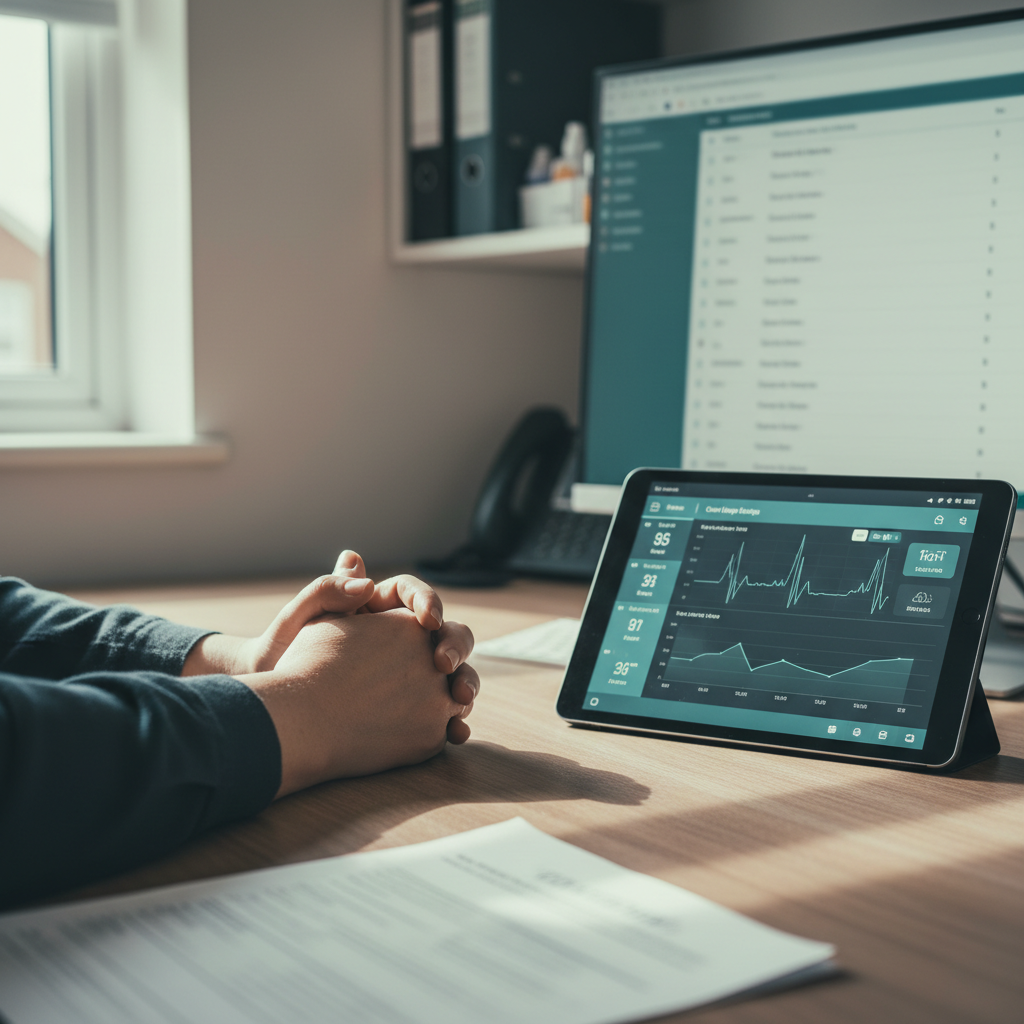
The providers extracting the most value from AAL systems are not those who have simply installed sensors. They are those who have connected sensor data to their electronic care records, their handover processes, and their clinical governance frameworks. Data that sits in a separate dashboard, reviewed occasionally by a tech-enthusiastic deputy manager, is data that will not change outcomes.
The integration question is where many providers stall. Legacy nurse call infrastructure, care management platforms with closed APIs, and IT teams stretched across multiple sites create genuine barriers. But the direction of travel is clear: the major care management software vendors are building sensor integrations as standard, not as afterthoughts. The question for operators is not whether their systems will eventually talk to each other. It is whether they will be early enough to shape how that conversation happens.
The Consent and Ethics Dimension
Any serious discussion of ambient monitoring in care settings must reckon with the consent question, and too many providers are not reckoning with it seriously enough. Passive sensors in communal areas are relatively straightforward. Sensors in bedrooms and bathrooms are not. The Mental Capacity Act framework applies. Family involvement matters. And the difference between a monitoring system that empowers a resident and one that surveils them without meaningful consent is not a technical distinction. It is an ethical one with regulatory consequences.
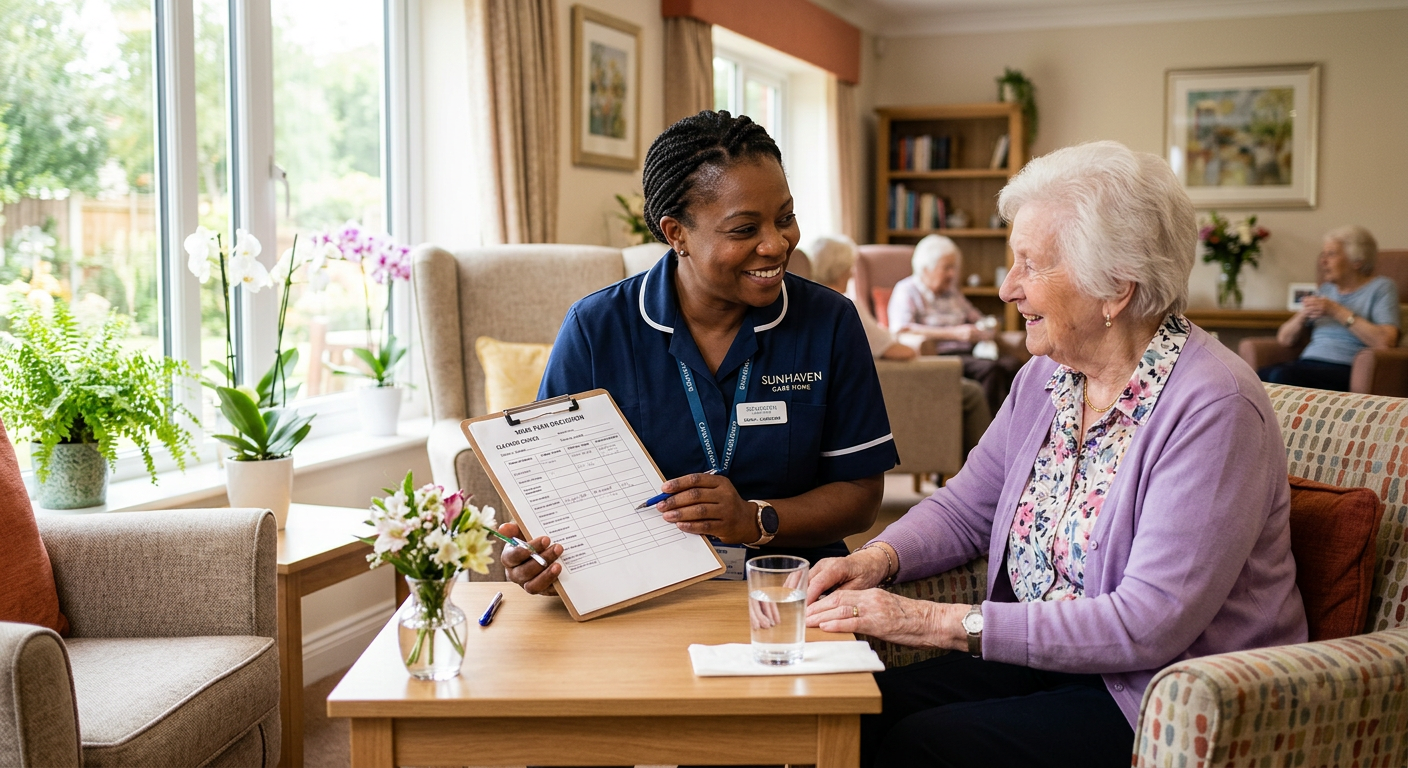
The providers getting this right are those who have built consent processes into their AAL deployment from the outset: clear documentation, regular review, and genuine conversations with residents and families about what is being monitored and why. The CQC‘s increasing focus on person-centred approaches to technology means that installing sensors to keep people safe is no longer a sufficient answer. The question inspectors are increasingly asking is whether the person living there had a meaningful say.
The Workforce Dividend
There is a workforce argument for AAL that does not get made loudly enough. Night-time checking rounds, the practice of physically entering a resident’s room every one or two hours to confirm they are safe, are disruptive to sleep, stressful for staff, and increasingly questioned by dementia care specialists who argue that the disturbance causes more harm than the risk it mitigates. Sensor-based monitoring offers a credible alternative: continuous passive observation that allows staff to intervene when data suggests a need, rather than on a fixed schedule that serves operational convenience more than resident wellbeing.
For a sector struggling to make night shifts attractive and retain experienced staff, the ability to offer a smarter, less physically exhausting model of overnight care is not a minor benefit. It is a retention argument.
The Providers Who Wait Will Pay
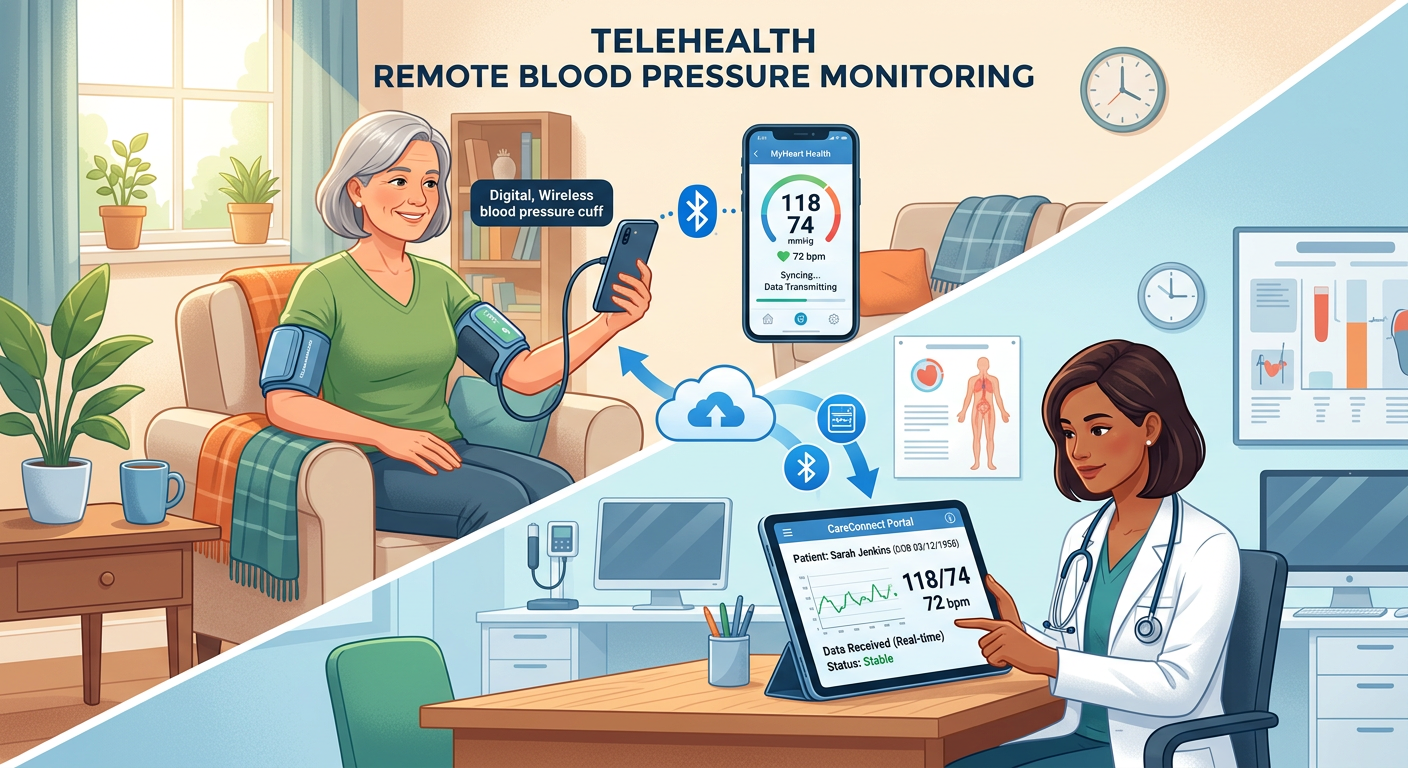
The economics of AAL deployment have shifted significantly. Sensor hardware costs have fallen. Cloud-based analytics platforms have made sophisticated data processing accessible to providers without enterprise IT budgets. Integrated Care Systems in several regions are actively funding AAL pilots as part of their hospital avoidance strategies, recognising that a prevented admission is worth considerably more than the cost of a sensor network.
The providers who treat ambient assisted living as a future consideration, something to revisit when the funding landscape is clearer or when there is less pressure on the operational budget, are making a calculation that will look increasingly difficult to justify. The technology is mature. The evidence base is building. The regulatory direction is set.
The care home that knows before you do is not a vision of the future. It is already operating down the road. The question is whether your building is as intelligent as the people inside it deserve.
Related Reading
- Watching Without Waking: The Case for Continuous Vital Signs Monitoring in UK Care Homes
- Beyond the Basics: Picking Bed and Chair Alarms That Deliver Real Protection for Vulnerable Residents
- The Call Bell That Time Forgot: Why Wired Nurse Call Systems Are Holding Care Homes Back
Frequently Asked Questions
What is ambient assisted living in care homes?
Ambient assisted living (AAL) refers to sensor-based technologies embedded in the care environment that monitor residents’ movements, behaviours and physiological signals without requiring active input. Examples include fall detection sensors, door and bed exit monitors, activity pattern analysis, and environmental controls.
Is ambient assisted living technology intrusive for residents?
When implemented with consent and transparency, most residents and families report positive attitudes toward AAL. The key is distinguishing monitoring for safety from surveillance. Technologies that alert staff to problems—rather than recording continuous footage—are generally better accepted in care settings.
What are the benefits of ambient assisted living for care home operators?
AAL can reduce falls and related hospital admissions, enable earlier detection of health deterioration, support night-time safety without frequent physical checks that disturb sleep, and provide objective data for care planning and CQC evidence. It also reduces reactive care burden on staff.