
Passive infrared sensors (PIR sensors) have become the default technology of choice for monitoring movement in care environments. They’re cheap, they’re familiar, and they’ve been around long enough that most providers don’t think twice about them. That’s precisely the problem.
The assumption baked into most care home technology strategies is that PIR sensors are a solved problem. Motion detection: tick. Safeguarding: tick. CQC evidence of monitoring: tick. But this comfortable consensus is worth interrogating, because the gap between what PIR sensors promise and what they actually deliver is wider than the sector tends to acknowledge.
What PIR Sensors Actually Do
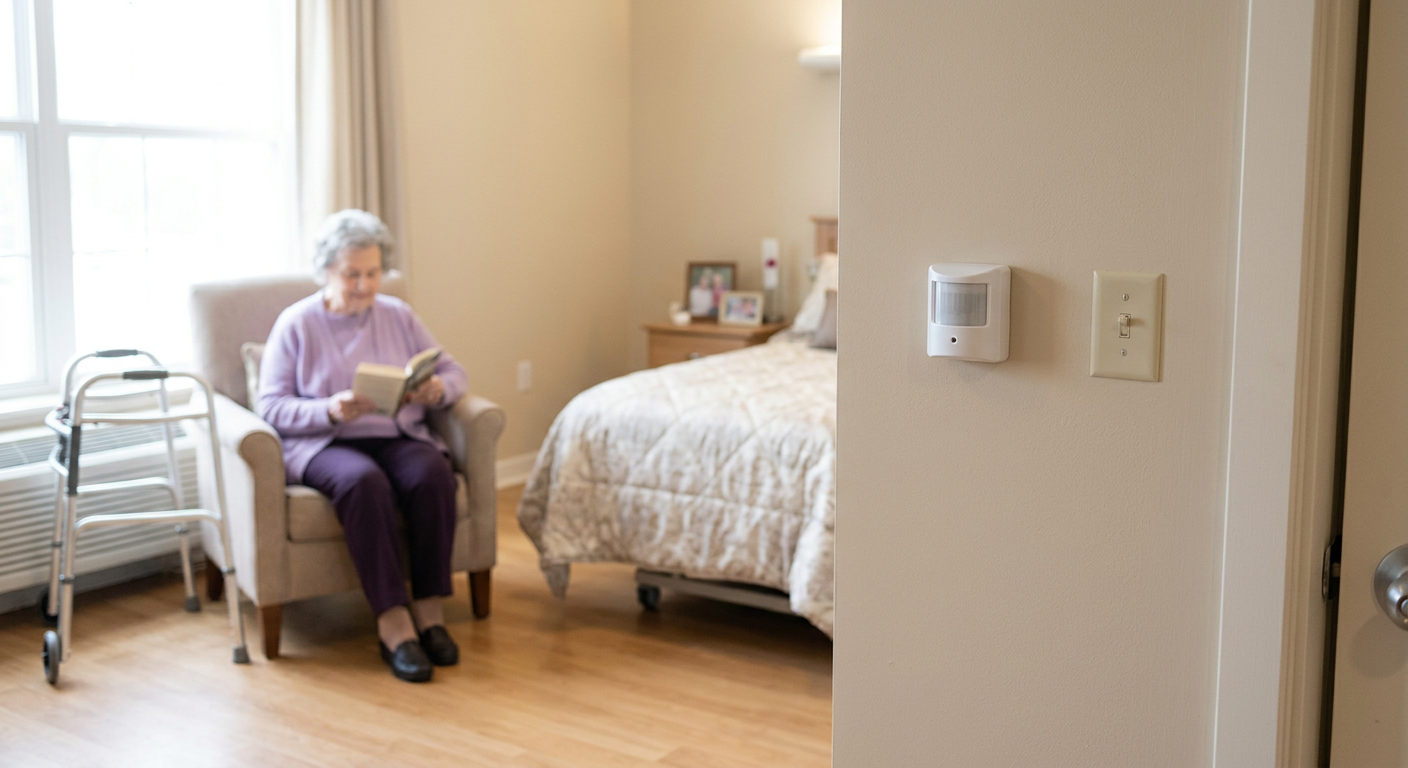
A passive infrared sensor detects changes in heat signatures within its field of view. When a warm body moves through the detection zone, it triggers an alert or logs an event. Simple, reliable, inexpensive. In a care context, this typically means: resident moved at 3am, alert sent to staff, staff investigate.
The technology works. Nobody is disputing that. But working is not the same as being fit for purpose in 2026. PIR sensors were designed to detect presence and movement, not to understand it. They cannot tell you whether a resident got up to use the bathroom or fell trying to. They cannot distinguish between purposeful movement and distressed, repetitive pacing. They cannot tell you that someone has been sitting motionless in a chair for four hours, which may be a far more urgent clinical signal than the fact that they moved at midnight.
In other words: PIR sensors tell you that something happened. They cannot tell you what, or whether it matters.
The False Comfort of Coverage
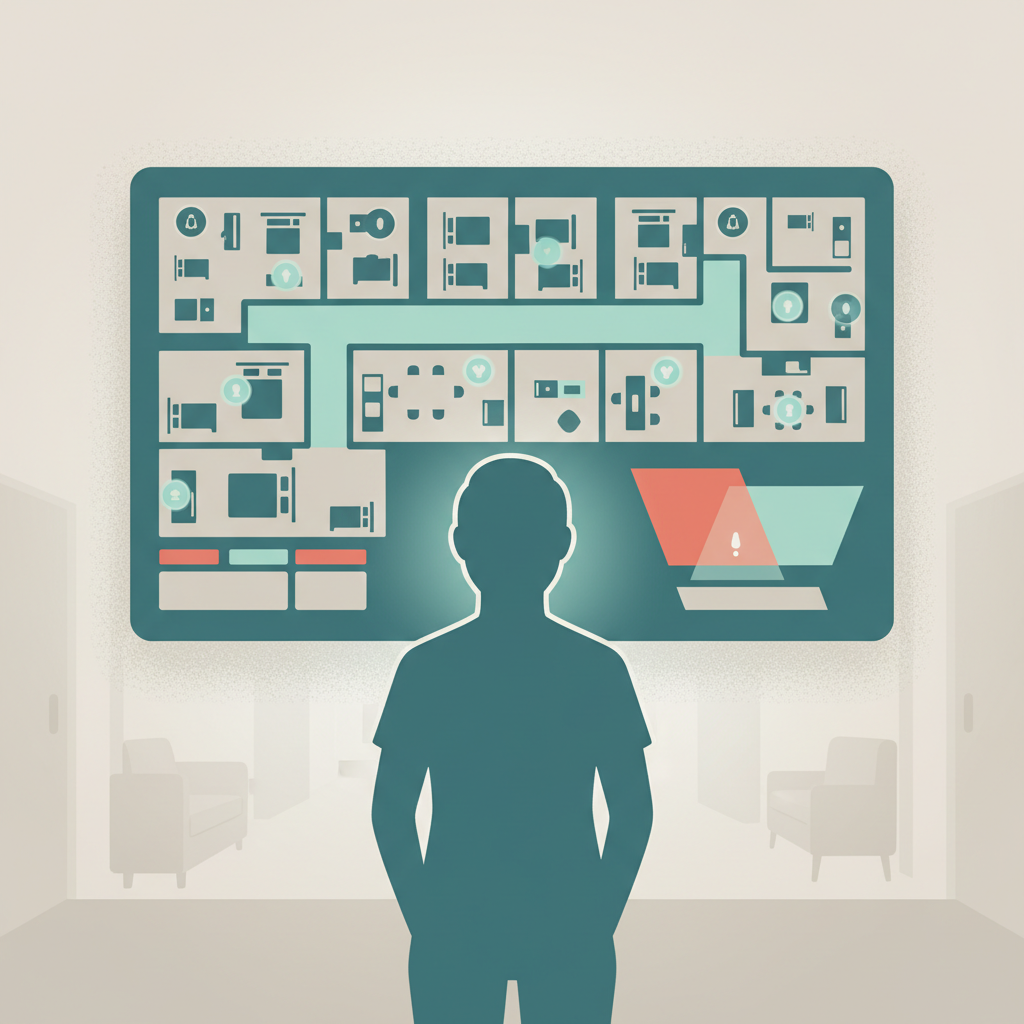
There is a particular risk in technologies that create the appearance of oversight without delivering its substance. PIR sensors, deployed uncritically, can give care providers, and regulators, a false sense of security. A home with PIR sensors in every room looks monitored. It may not be meaningfully safer.
Consider the night-time falls problem. Falls remain one of the most serious and costly risks in residential care, and a significant proportion occur at night. PIR sensors are routinely cited as a falls-prevention measure. But a sensor that detects movement after a resident has already left their bed is not preventing a fall, it is, at best, accelerating the response to one. The distinction matters enormously, both for resident outcomes and for how providers frame their risk management to commissioners and inspectors.
The sector has, in some respects, allowed the language of monitoring to substitute for the reality of it.
What the Alternatives Actually Offer
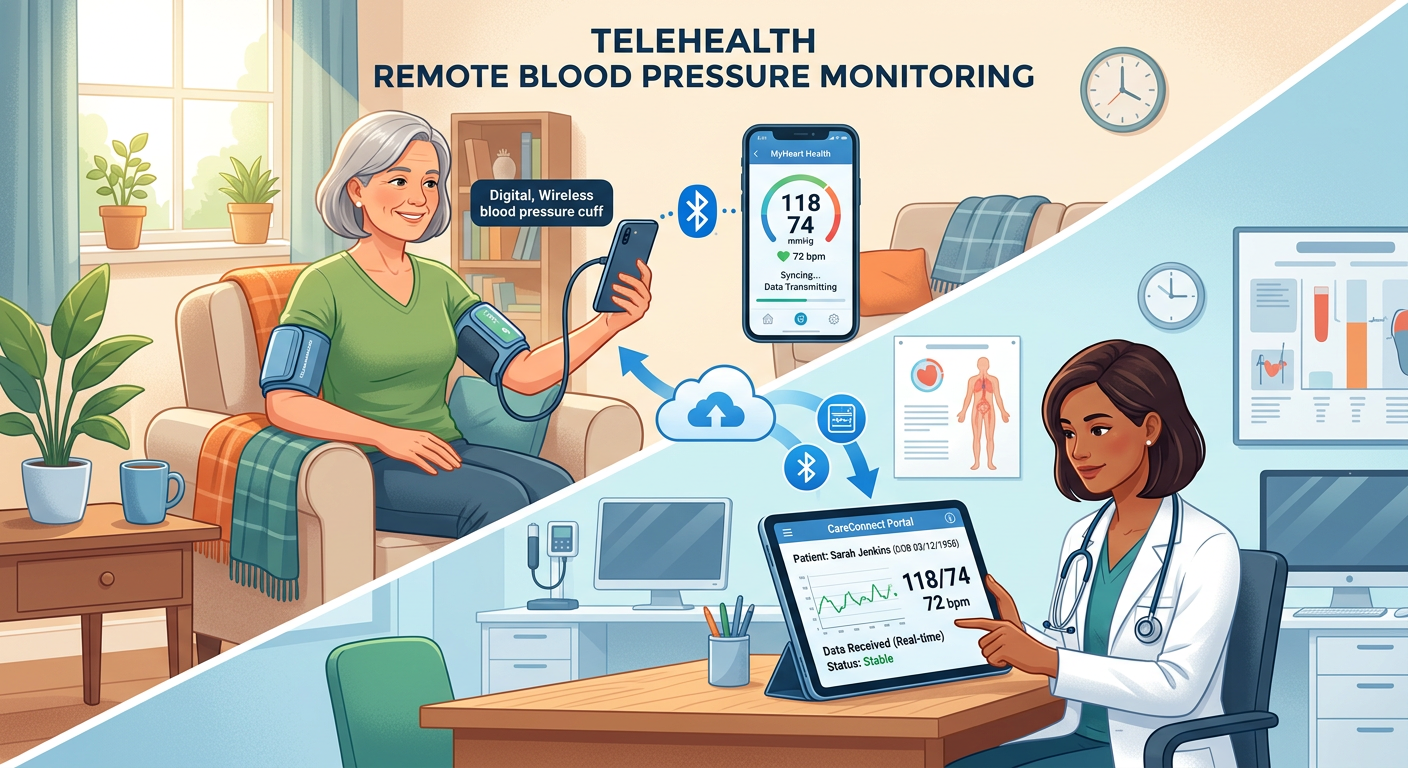
The technology landscape has moved on considerably. Radar-based sensors, millimetre-wave devices, and AI-enhanced multi-sensor systems can now detect not just movement but breathing rate, sleep quality, gait patterns, and postural changes, all without cameras, and therefore without the privacy concerns that have historically made care providers cautious about in-room monitoring.
Some platforms can now identify the early signatures of a fall before it happens: a change in gait, increased nocturnal restlessness, a subtle shift in movement patterns over several nights. This is categorically different from knowing that someone moved at 3am. It is the difference between reactive monitoring and genuinely predictive care.
The cost differential, which was once prohibitive, is narrowing. And the regulatory direction of travel, with CQC’s Single Assessment Framework placing increasing weight on evidence of proactive, person-centred risk management, is creating new incentives to move beyond the minimum.
The Procurement Inertia Problem
So why are PIR sensors still the default? The honest answer is procurement inertia, compounded by budget pressure and a sector that has historically been risk-averse about technology investment. PIR sensors are on approved supplier lists. They’re what the estates team knows how to install. They’re what the previous manager specified. Changing them requires a business case, a procurement process, and someone willing to make the argument that the current setup isn’t good enough.
That argument is increasingly easy to make, but someone has to make it. Technology directors and registered managers who are still specifying PIR-only monitoring solutions in new builds or refurbishments should be asking themselves a harder question: are we choosing this because it’s the right tool, or because it’s the familiar one?
Not a Replacement, A Rethink
None of this is an argument for ripping out existing PIR infrastructure wholesale. In many settings, PIR sensors remain a useful component of a broader monitoring ecosystem, particularly in communal areas and corridors where presence detection is genuinely sufficient. The argument is for intentionality: understanding what each sensor type can and cannot do, and designing monitoring strategies accordingly rather than defaulting to the cheapest option that ticks the compliance box.
The care sector has spent years making the case that it deserves to be taken seriously as a technology adopter. Part of making that case is being willing to scrutinise the technologies already embedded in our buildings, not just the shiny new ones on the conference exhibition floor.
PIR sensors aren’t wrong. They’re just not enough. And in a sector where the stakes are this high, that distinction is worth taking seriously.