

Every care home in England is expected to screen residents for malnutrition risk. Most use the Malnutrition Universal Screening Tool (MUST) to do it. And most do it on paper, filed in a folder, reviewed when someone remembers, and acted upon inconsistently. The tool itself is sound. The system around it is not.
Malnutrition in older adults is not a niche concern. Estimates suggest that around one in three people admitted to care homes are already malnourished or at risk. The consequences – muscle wasting, pressure ulcers, increased infection risk, longer hospital stays, faster cognitive decline – are well documented. And yet the sector’s dominant response remains a paper form completed at admission and repeated monthly, if that.
The problem is not that care staff don’t care about nutrition. They do. The problem is that paper-based MUST scoring is a point-in-time snapshot masquerading as a monitoring system. It tells you where someone was. It tells you almost nothing about where they’re heading.
The Myth of the Monthly Score
Here is the assumption that needs challenging: that completing a MUST score on schedule constitutes nutritional monitoring. It doesn’t. A score of 0 at the start of the month tells you nothing about what happened on days 8, 14, or 22. A resident who stops eating after a bereavement, a medication change, or a bout of constipation can deteriorate significantly between assessments, and no paper form will catch it.
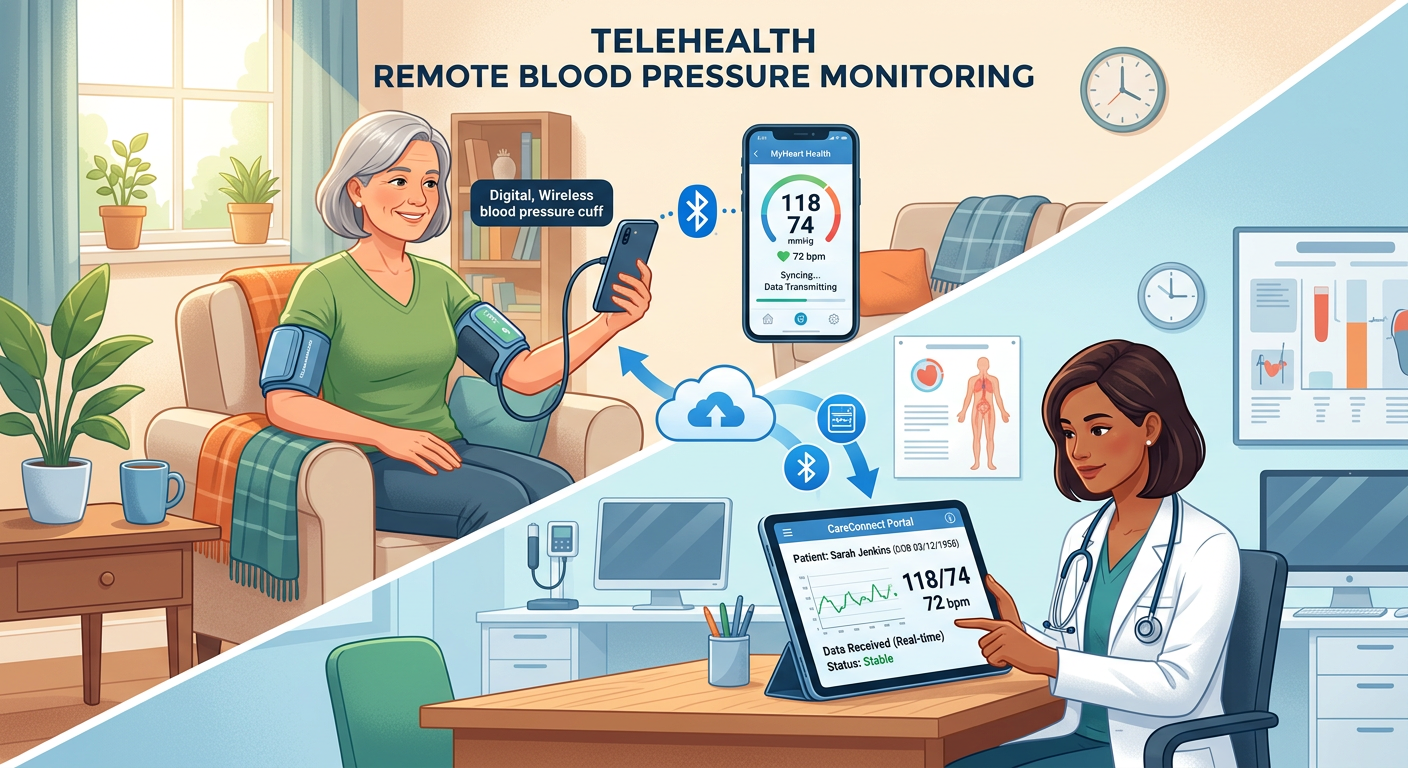
Digital nutritional assessment software changes this fundamentally. The better platforms don’t just digitise the MUST form, they integrate with daily food and fluid recording, weight monitoring, and care planning to create a continuous picture of nutritional status. When a resident’s intake drops below a threshold for three consecutive days, the system flags it. When weight loss trends in the wrong direction, a reassessment is triggered automatically. The score becomes a living indicator, not a monthly checkbox.
What Good Looks Like
The most capable nutritional assessment platforms now offer:
- Automated MUST scoring linked to real-time weight and BMI data
- Dietary intake tracking integrated with kitchen and catering systems
- Trend alerts that escalate to senior staff or dietitians when risk increases
- Care plan integration so nutritional goals are visible to everyone involved in a resident’s care
- Audit trails that satisfy CQC evidence requirements without additional paperwork
Some systems go further, pulling in data from fluid monitoring devices or linking to GP and pharmacy records to flag medications known to suppress appetite or affect absorption. This is not futurism, these tools exist, are in use in UK care homes today, and are within reach of providers who are serious about nutritional care.
The CQC Dimension
Inspectors under the new CQC framework are increasingly focused on outcomes, not processes. Completing a MUST form is a process. Demonstrating that nutritional risk was identified, acted upon, and monitored over time is an outcome. Digital systems make the latter far easier to evidence, and far more likely to actually happen.
There is also a safeguarding dimension that is rarely discussed openly. When a resident loses significant weight and no one can demonstrate that it was identified and addressed, that is not just a clinical failure, it is a governance failure. Paper records make it easy for things to fall through the cracks and hard to prove they didn’t. Digital records do the opposite.
The Barrier That Isn’t
The most common objection to digital nutritional assessment tools is cost. It is a legitimate concern in a sector operating on razor-thin margins. But the calculation looks different when you factor in the cost of a pressure ulcer, an avoidable hospital admission, or a safeguarding investigation. Malnutrition is expensive. Preventing it is not.
Many providers are also surprised to find that nutritional assessment functionality is often included within broader digital care planning platforms they already pay for, and simply haven’t activated or trained staff to use. The barrier, in those cases, is not financial. It is organisational.
MUST is a good tool. But a good tool used badly, infrequently, and in isolation from the rest of a resident’s care record is not good enough. The sector has spent years talking about person-centred care. It is time the systems used to monitor something as fundamental as whether a person is eating properly caught up with that ambition.