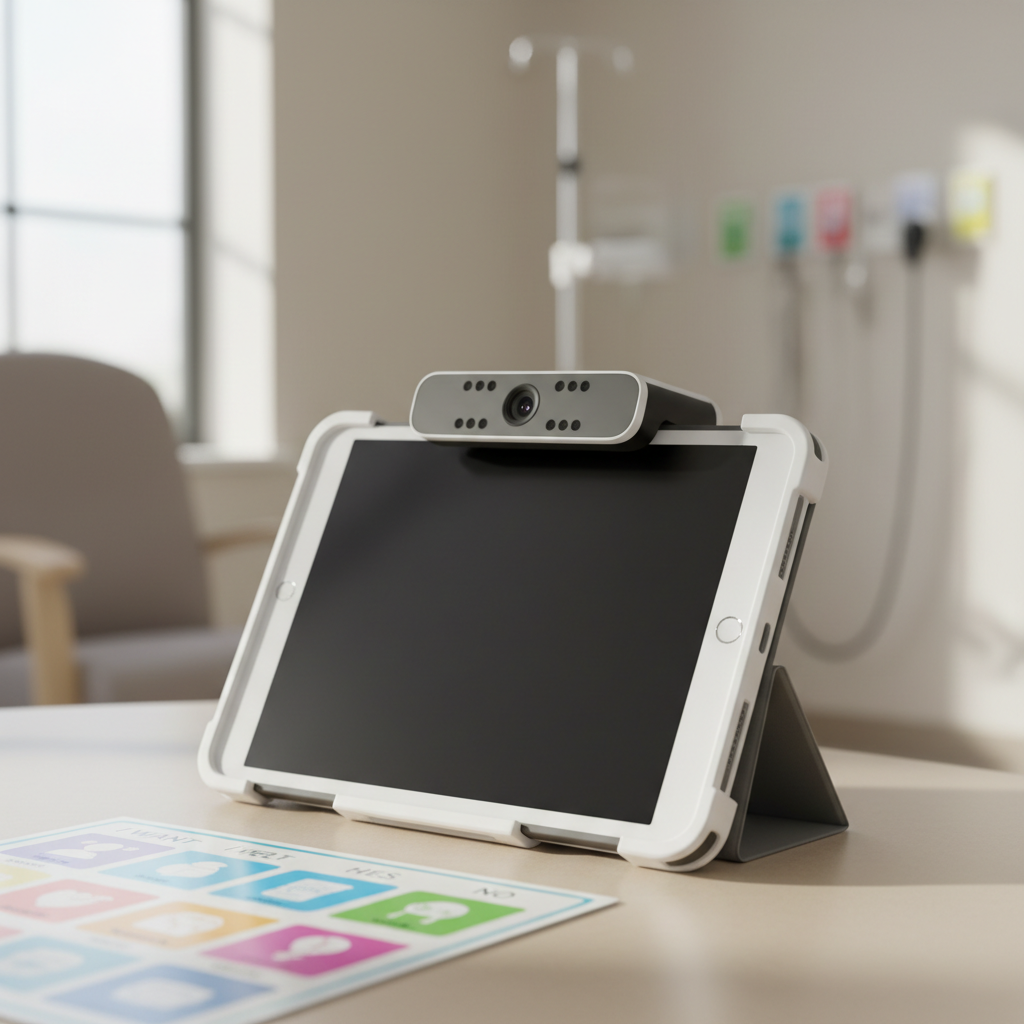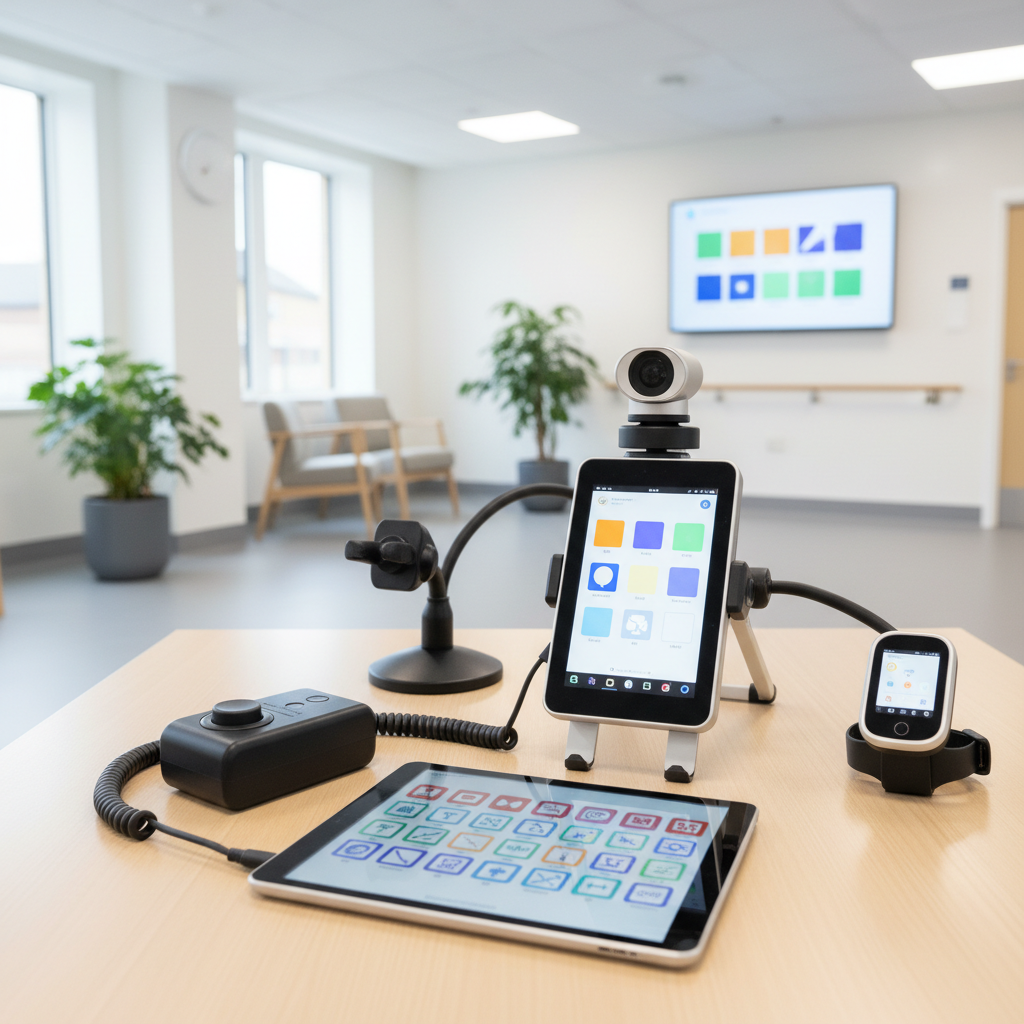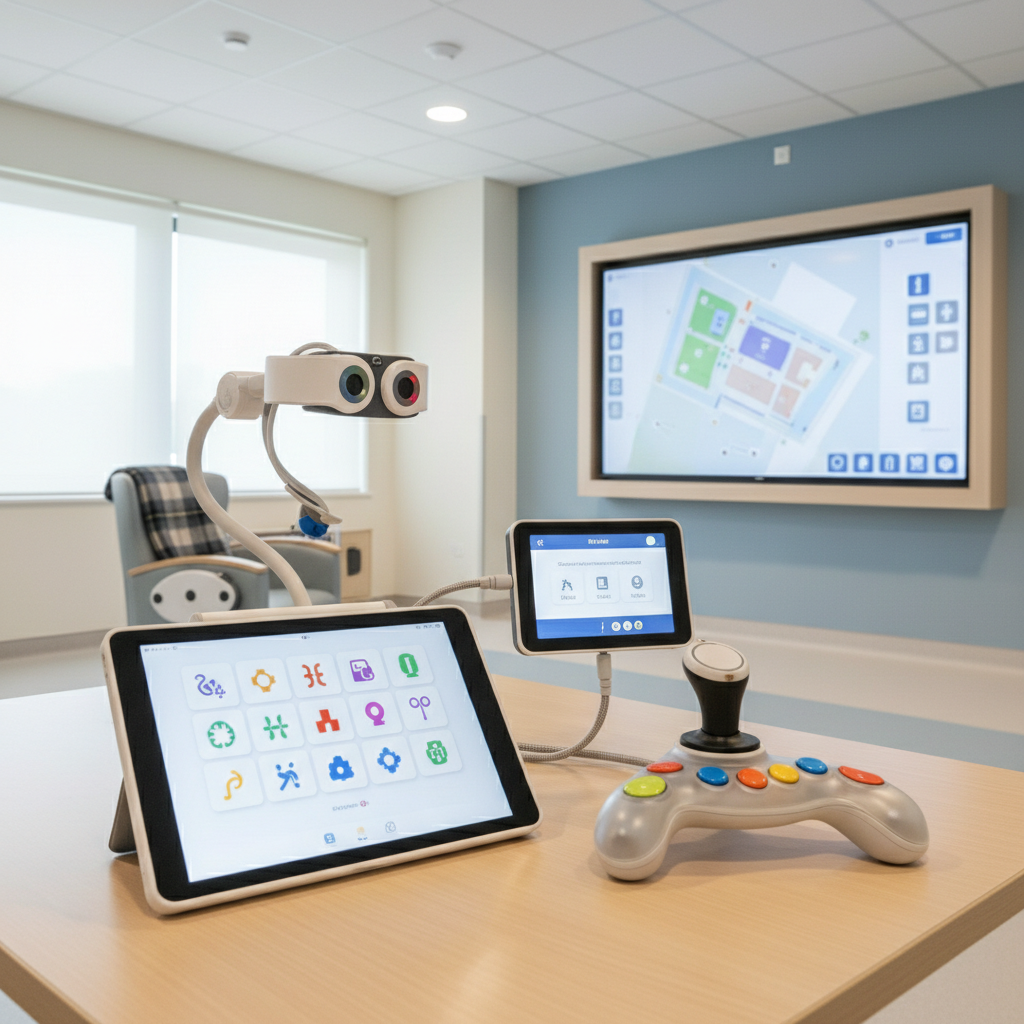

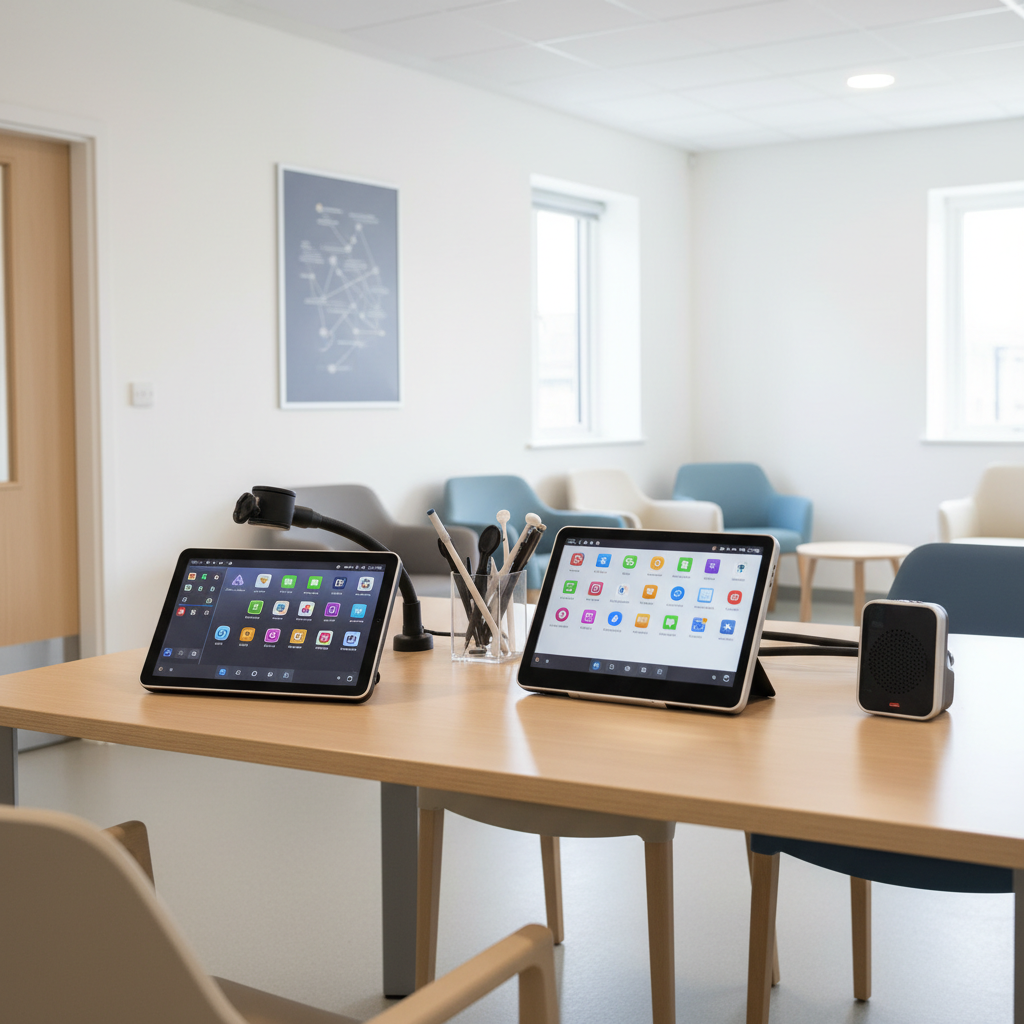
For many people living in UK care homes, the ability to communicate effectively is not something that can be taken for granted. Conditions such as stroke, motor neurone disease, cerebral palsy, dementia, and acquired brain injuries can significantly impair speech and language, leaving individuals unable to express their needs, preferences, or emotions. Augmentative and Alternative Communication (AAC) devices are transforming the way care providers approach accessibility in care, offering residents a voice when their own has been diminished or lost entirely.
What Are AAC Devices?
AAC stands for Augmentative and Alternative Communication — a broad term that encompasses any tool, strategy, or technology used to supplement or replace spoken language. In the context of adult social care, AAC devices typically fall into two categories:
- Unaided AAC: Communication methods that don’t require external tools, such as sign language, gestures, or facial expressions.
- Aided AAC: Tools and technologies that support communication, ranging from simple picture boards to sophisticated speech-generating devices (SGDs) and tablet-based apps.
It is the aided, technology-driven AAC solutions that are increasingly finding their way into UK care homes, and for good reason. Modern AAC devices are more intuitive, affordable, and adaptable than ever before, making accessibility in care a realistic goal for providers of all sizes.
Types of AAC Technology Used in Care Settings
The range of AAC technology available to care providers is broad. Some of the most commonly used solutions include:
- Speech-generating devices (SGDs): Dedicated hardware devices that produce synthesised or digitised speech when a user selects symbols, words, or phrases. Examples include devices from Tobii Dynavox and Liberator.
- Tablet-based AAC apps: Software applications such as Proloquo2Go, Grid 3, and Snap Core First, installed on iPads or Android tablets, offering flexible and cost-effective communication support.
- Symbol-based communication boards: Digital or printed grids of images and symbols that residents can point to or select to convey meaning.
- Voice output communication aids (VOCAs): Simpler devices that play pre-recorded messages when buttons are pressed — particularly useful for residents with limited cognitive or motor function.
- Eye-gaze enabled AAC: Advanced systems that allow users to control a device entirely through eye movement, critical for residents with conditions such as MND or locked-in syndrome.
Why AAC Matters for Accessibility in Care
The Care Act 2014 places a clear duty on providers to promote wellbeing and support individuals to participate in decisions about their own care. Without effective communication tools, this is simply not possible for many residents. AAC devices directly support accessibility in care by:
- Enabling residents to express pain, discomfort, or distress — improving clinical safety and reducing the risk of unmet needs going undetected.
- Supporting meaningful participation in care planning, reviews, and best interest decisions.
- Preserving dignity and autonomy by giving individuals control over how they communicate.
- Reducing frustration, anxiety, and behavioural distress that can arise from communication breakdown.
- Facilitating social connection with family, friends, and care staff.
From a regulatory perspective, the CQC‘s assessment framework places significant weight on person-centred care and the extent to which providers support residents to live fulfilling lives. Demonstrating the use of AAC technology is a tangible way to evidence this commitment.
Implementing AAC in Your Care Home: Key Considerations
Introducing AAC devices into a care setting requires more than simply purchasing technology. Successful implementation depends on a number of factors:
- Assessment and personalisation: AAC solutions must be tailored to the individual. A speech and language therapist (SLT) should be involved in assessing each resident’s communication needs and recommending appropriate tools.
- Staff training: Care staff need to understand how to support AAC use, including how to prompt residents, interpret responses, and maintain devices. Training should be ongoing, not a one-off event.
- Integration into care planning: AAC strategies should be documented in each resident’s care plan and communicated across the whole care team, including agency and bank staff.
- Family involvement: Families can play a vital role in supporting AAC use, particularly for residents with dementia or cognitive impairment. Involving families in training and planning improves consistency.
- Funding pathways: AAC devices can be funded through NHS continuing healthcare, local authority budgets, or charitable grants. Care managers should explore all available routes to avoid cost being a barrier.
The Future of AAC in Adult Social Care
Technology in this space is advancing rapidly. AI-powered AAC systems are beginning to learn individual communication patterns, predicting what a user wants to say and reducing the effort required to communicate. Integration with smart home technology and nurse call systems is also on the horizon, meaning AAC devices could soon trigger alerts, control environmental settings, or connect residents directly with care staff at the touch of a symbol.
For care home managers and directors, now is the time to assess whether your residents who have communication difficulties are being adequately supported. AAC devices are no longer niche or specialist — they are a core component of accessible, person-centred care, and a clear marker of a provider committed to the highest standards of accessibility in care.
Further Reading
- How Augmentative and Alternative Communication Technology Is Transforming Accessibility
- 7 AAC Devices and Communication Technologies Transforming Accessibility in UK Care Homes
- Eye-Gaze Technology in Care: What It Is and How to Introduce It in Your Service
Related Reading
- 7 AAC Devices and Communication Technologies Transforming Accessibility in UK Care Homes
- How Augmentative and Alternative Communication Technology Is Transforming Accessibility
- Eye-Gaze Technology in Care: What It Is and How to Introduce It in Your Service
Frequently Asked Questions
What is the difference between AAC and assistive technology?
Assistive technology (AT) is a broad category covering any device or system that helps people with disabilities maintain or improve their functioning. AAC is a subset of AT specifically focused on communication. A wheelchair is AT; a speech generating device is both AT and AAC.
Is AAC technology covered by NHS continuing healthcare?
AAC devices and related services can be funded through NHS continuing healthcare, NHS wheelchair and community equipment services, or local authority budgets depending on the individual’s primary need. A specialist AAC assessment is usually required to access NHS-funded devices. Charity grants are also available for some individuals.
How should care homes record AAC use in care plans?
Care plans should specify the resident’s communication method, device settings and vocabulary, staff support requirements, and communication goals. Document how staff interact using the AAC method and record progress or changes in communication ability. Include AAC support in all handover communications to ensure consistency across shifts.