
For residents who have lost the ability to speak — whether through stroke, motor neurone disease, dementia, or acquired brain injury — the ability to communicate is not a luxury. It is a fundamental human right. Yet in many UK care homes, Augmentative and Alternative Communication (AAC) devices remain underused, misunderstood, or simply absent from care plans.
That is beginning to change. As accessibility in care becomes a growing priority for regulators, commissioners, and providers alike, AAC technology is moving from the speech therapy clinic into the heart of everyday care delivery. Here are seven AAC devices and communication technologies that care home managers and care directors should know about — and consider integrating into their accessibility strategy.
1. Symbol-Based Communication Apps
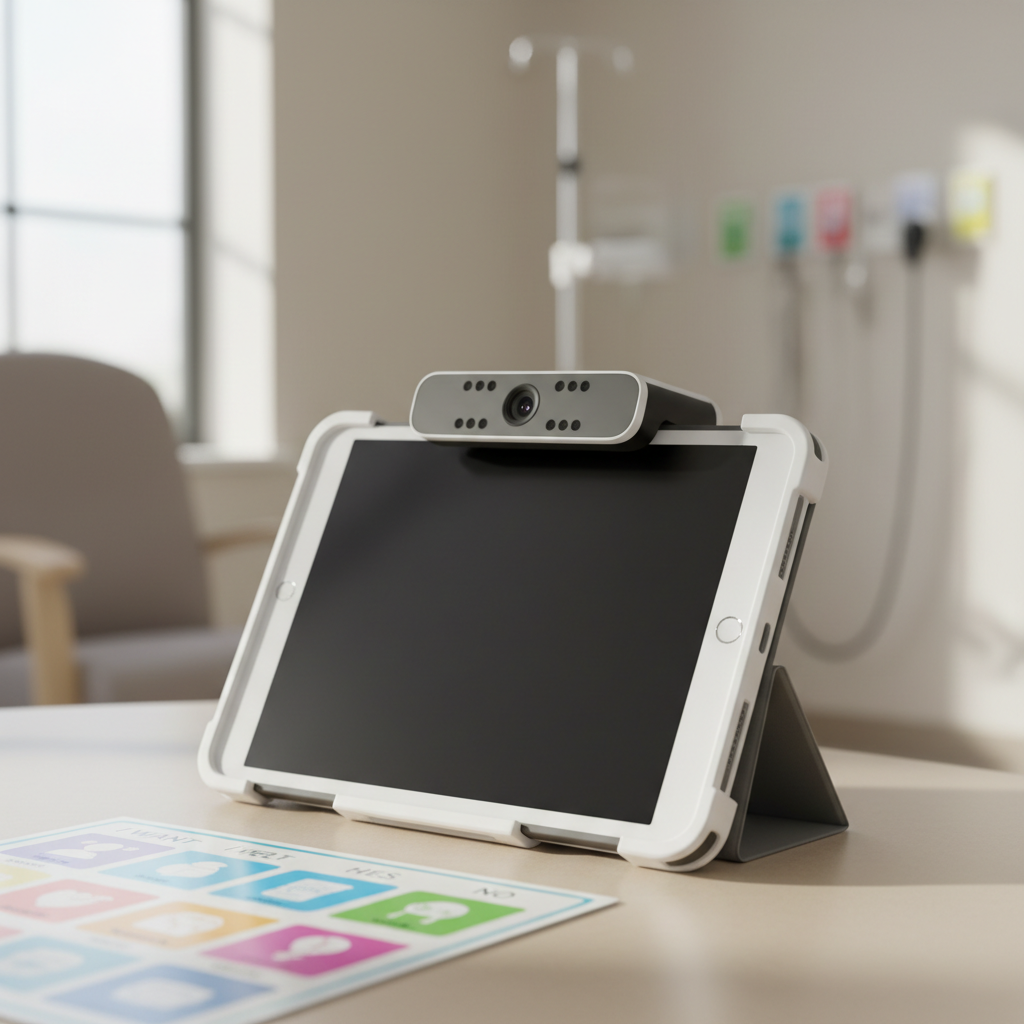
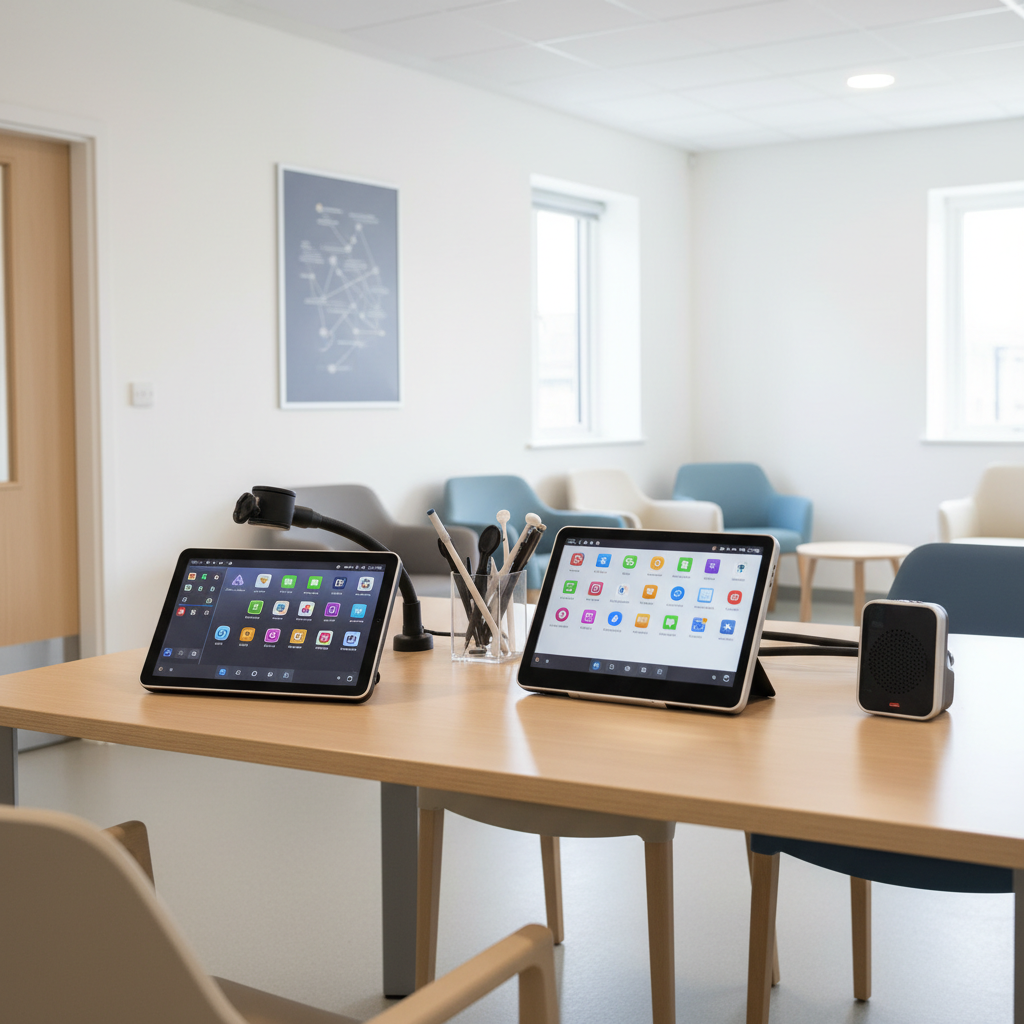
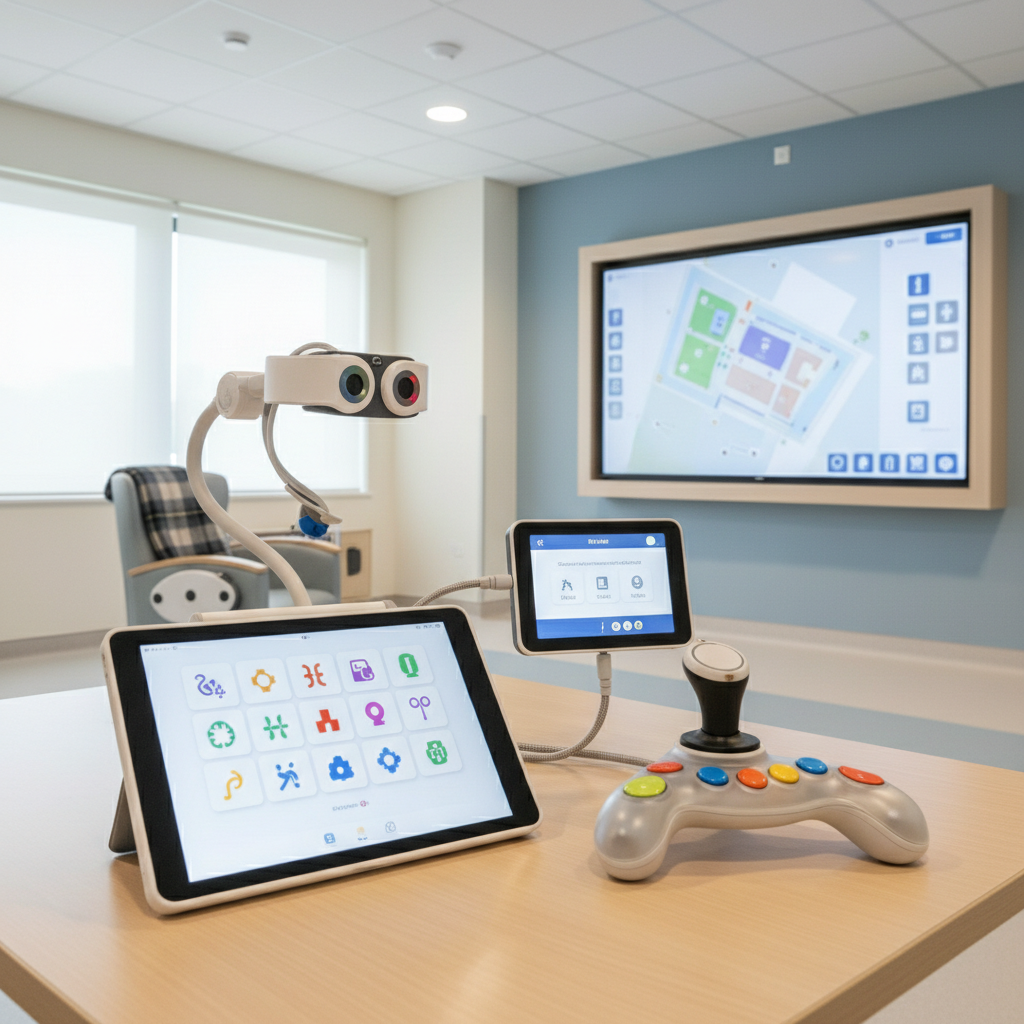
Apps such as Proloquo2Go, Grid 3, and Snap Core First allow residents to communicate by tapping symbols, images, or words on a touchscreen tablet. These tools are particularly effective for residents with aphasia, learning disabilities, or advanced dementia. They are highly customisable — care teams can build personalised vocabulary sets that reflect a resident’s life, preferences, and daily routines. For care homes investing in accessibility in care, a shared tablet loaded with a symbol-based app can be a low-cost, high-impact starting point.
2. Speech-Generating Devices (SGDs)
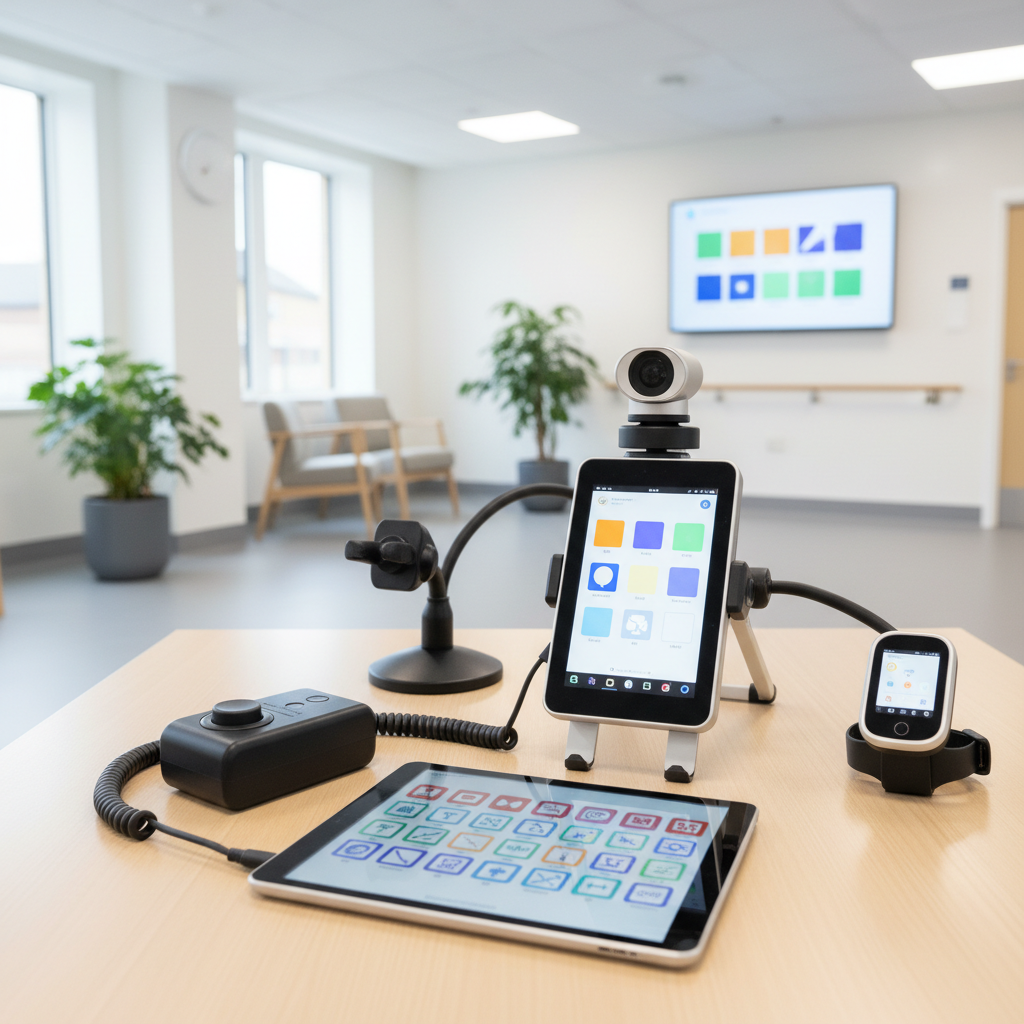
Dedicated speech-generating devices go a step further than apps, offering robust, purpose-built hardware designed for daily, intensive use. Devices from manufacturers such as Tobii Dynavox and Liberator produce synthesised or digitised speech output, giving residents a consistent and reliable voice. For individuals with complex communication needs, an SGD — properly set up with input from a speech and language therapist — can be genuinely life-changing. Accessibility in care settings demands that these tools are considered as standard, not as an afterthought.
3. Text-to-Speech Software
For residents who retain the ability to type or select text but cannot produce spoken speech, text-to-speech (TTS) software offers a straightforward solution. Tools like NaturalReader or built-in accessibility features on iOS and Android devices can convert typed text into spoken words in real time. These are particularly useful for residents following laryngectomy or those with progressive neurological conditions. The barrier to adoption is low — most modern tablets and smartphones support TTS natively.
4. Low-Tech AAC: Communication Boards and Books
Not every AAC solution requires a screen or a battery. Communication boards — laminated sheets featuring symbols, words, photographs, or the alphabet — remain one of the most reliable and accessible tools available. They require no charging, no Wi-Fi, and no technical knowledge to use. Every care home should have personalised communication boards available for residents with communication difficulties. These are often produced in partnership with speech and language therapy teams and can be tailored to reflect individual needs, preferences, and cultural backgrounds.
5. Voice Amplifiers and Personal Communication Aids
For residents whose speech is present but weak — common in conditions such as Parkinson’s disease or following a stroke — voice amplifiers can make a significant difference. Lightweight, wearable devices amplify the user’s voice without distortion, enabling clearer communication in group settings, during mealtimes, or in noisy environments. These are among the most affordable AAC tools available and are frequently overlooked in care home accessibility planning.
6. Partner-Assisted Scanning and Low-Tech Access Methods
For residents with very limited physical movement, partner-assisted scanning allows a care worker or family member to point to items on a communication board or screen while the resident signals — through eye movement, a blink, or a slight gesture — when the correct item is reached. This technique requires no technology at all, but it does require trained staff. Embedding partner-assisted scanning into care worker induction and ongoing training is a meaningful step toward genuine accessibility in care.
7. Integrated AAC Within Digital Care Records
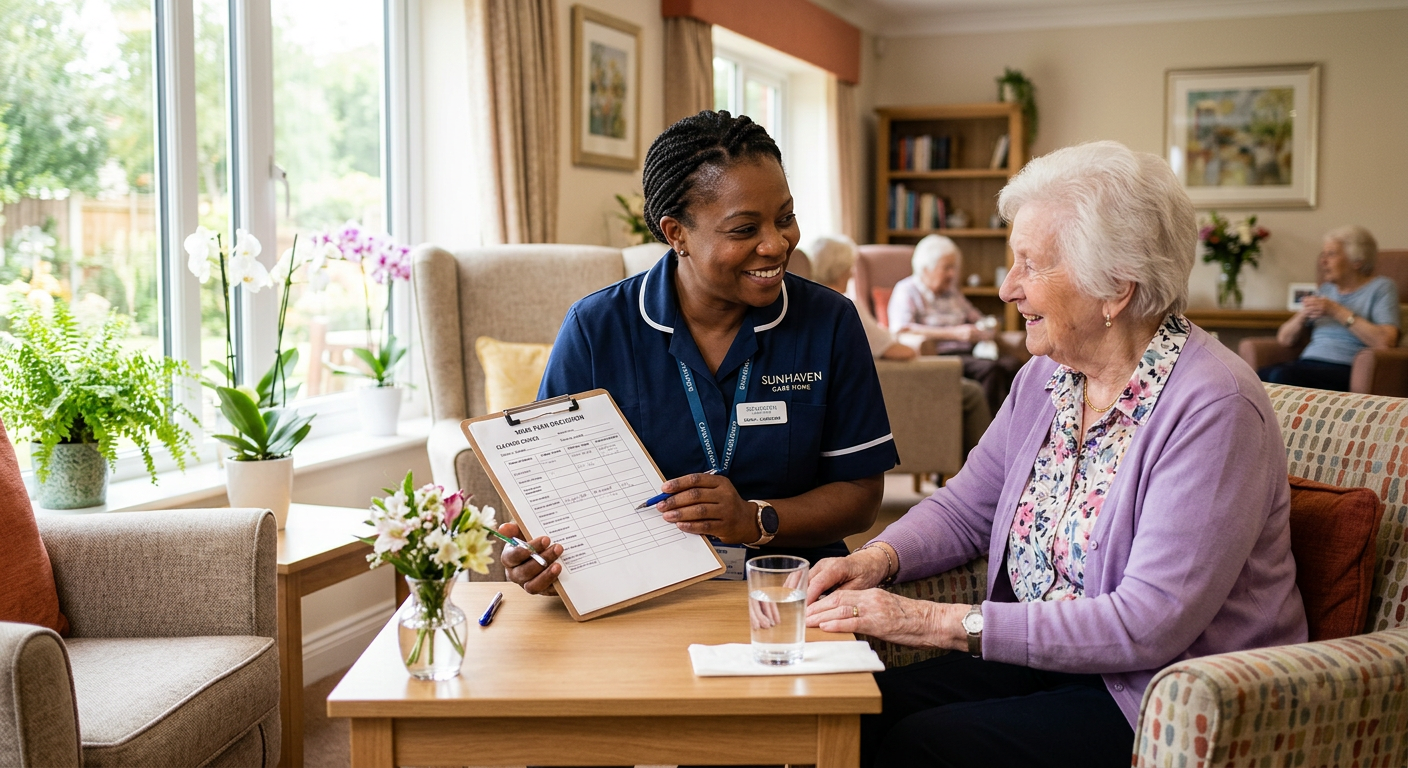
Perhaps the most exciting development in this space is the integration of AAC preferences and communication profiles directly into digital care records. Platforms such as Nourish and Person Centred Software now allow care teams to document a resident’s preferred communication methods, vocabulary sets, and AAC tools within their care plan — ensuring that every member of staff, on every shift, knows exactly how to communicate effectively with that individual. This closes a critical gap: AAC tools are only effective if every person who interacts with a resident knows how to use them.
Making Accessibility in Care a Strategic Priority
The Care Quality Commission‘s focus on person-centred care and the rights of people with communication difficulties means that AAC is no longer a niche concern. Inspectors increasingly expect to see evidence that residents’ communication needs are identified, documented, and actively supported.
For care home managers and directors, the message is clear: accessibility in care is not just about ramps and wide doorways. It is about ensuring that every resident — regardless of their ability to speak — has a meaningful, reliable way to make their needs, wishes, and feelings known. AAC devices and communication technologies are the tools that make that possible.
Start with a communication audit. Identify residents who may benefit from AAC support. Engage your local speech and language therapy team. And make accessibility in care a standing item on your quality improvement agenda.
Further Reading
- How Augmentative and Alternative Communication Technology Is Transforming Accessibility
- Eye-Gaze Technology in Care: What It Is and How to Introduce It in Your Service
- Transforming Communication and Accessibility in UK Care Homes
Related Reading
- How Augmentative and Alternative Communication Technology Is Transforming Accessibility
- Transforming Communication and Accessibility in UK Care Homes
- Eye-Gaze Technology in Care: What It Is and How to Introduce It in Your Service
Frequently Asked Questions
What types of AAC devices are available in UK care homes?
AAC devices range from low-tech communication boards and PECS (Picture Exchange Communication System) cards to high-tech speech generating devices (SGDs) with voice output, eye gaze systems, and switch-access apps on tablets. The right device depends on the individual’s motor, cognitive and communication profile.
How much do AAC devices cost for care homes?
Low-tech options like communication boards can cost under £50. Mid-range tablet-based AAC apps cost £50–300. Dedicated speech generating devices with eye gaze or switch access typically cost £3,000–15,000. NHS and local authority funding streams exist, though assessment and approval processes can be lengthy.
Do care staff need training to support AAC device users?
Yes—and this is often the most important factor in successful AAC use. Staff need to understand how to maintain and troubleshoot devices, model AAC use in conversation, give residents adequate time to respond, and integrate communication support into all care interactions, not just scheduled sessions.