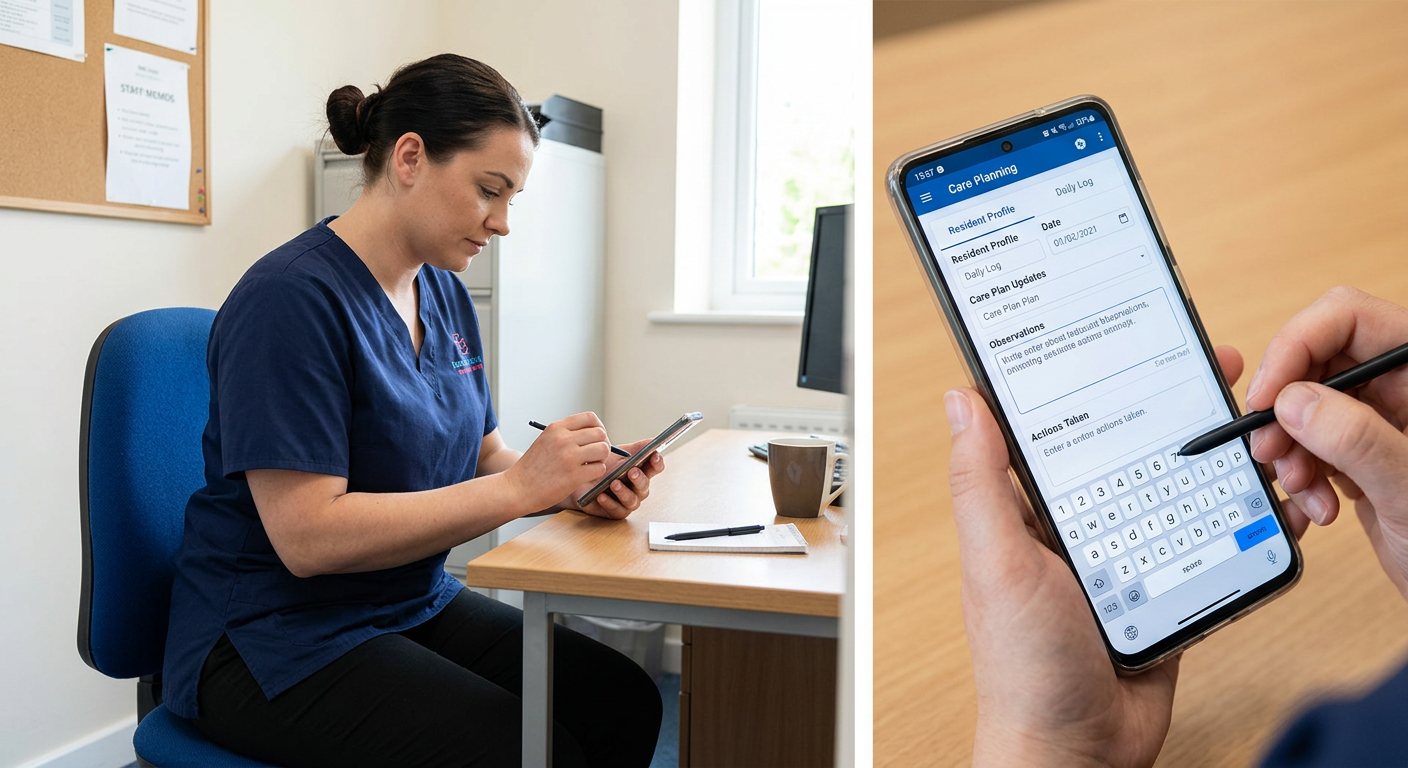

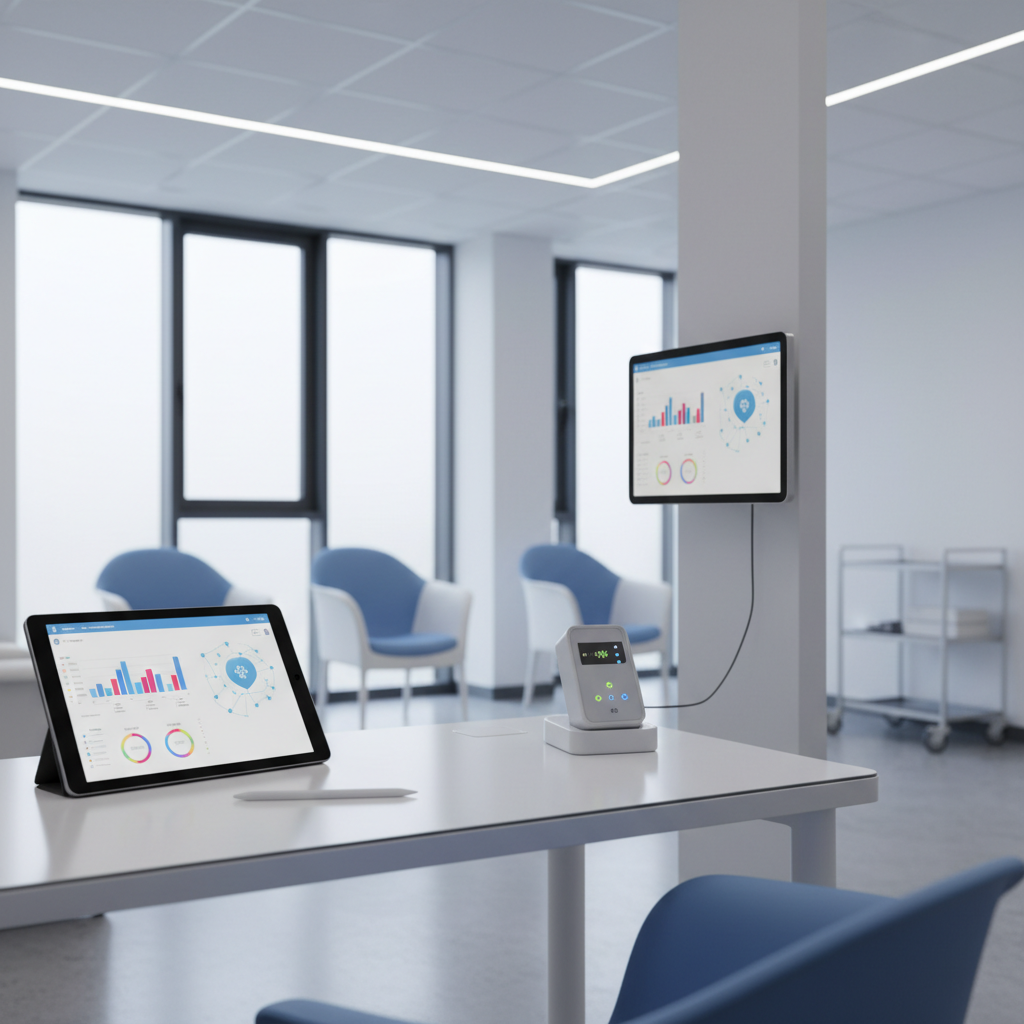
The paper care plan is not yet extinct, but it is increasingly endangered. Across the UK adult social care sector, digital care management platforms are reshaping how providers record, plan, and deliver care. From Person Centred Software and Nourish to Carely and beyond, the market has matured rapidly. But adoption remains uneven, and the gap between early movers and late adopters is widening.
The State of Digital Adoption
According to NHS England‘s Digital Social Care programme, the majority of care homes in England now have access to some form of digital care management software, yet meaningful, embedded use is a different story. Many providers have purchased a system but continue to run parallel paper processes, undermining the very efficiencies they sought to gain. True digital transformation in care management means more than logging notes on a tablet; it means using care management software as the operational backbone of the service.
What Digital Care Management Platforms Actually Do
Modern care planning software does far more than replace paper files. Leading platforms now offer:
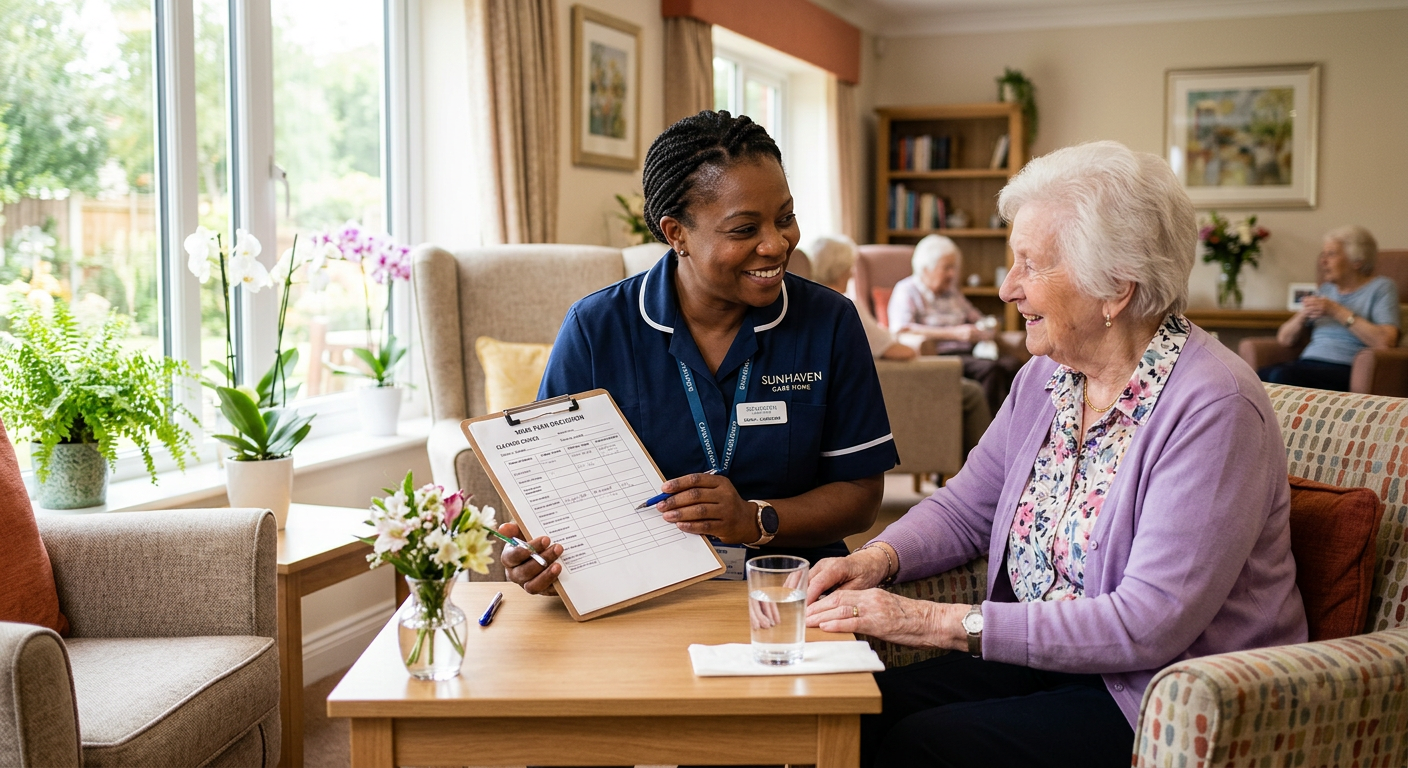
- Person-centred care plans built around individual needs, preferences, and outcomes
- Real-time daily notes accessible to all staff on shift, reducing handover risk
- Risk assessments for falls, nutrition, skin integrity, and more, with automated prompts for review
- Family portals that give relatives visibility of their loved one’s care without burdening staff
- Outcome tracking linked to care goals, supporting both CQC evidence and quality improvement
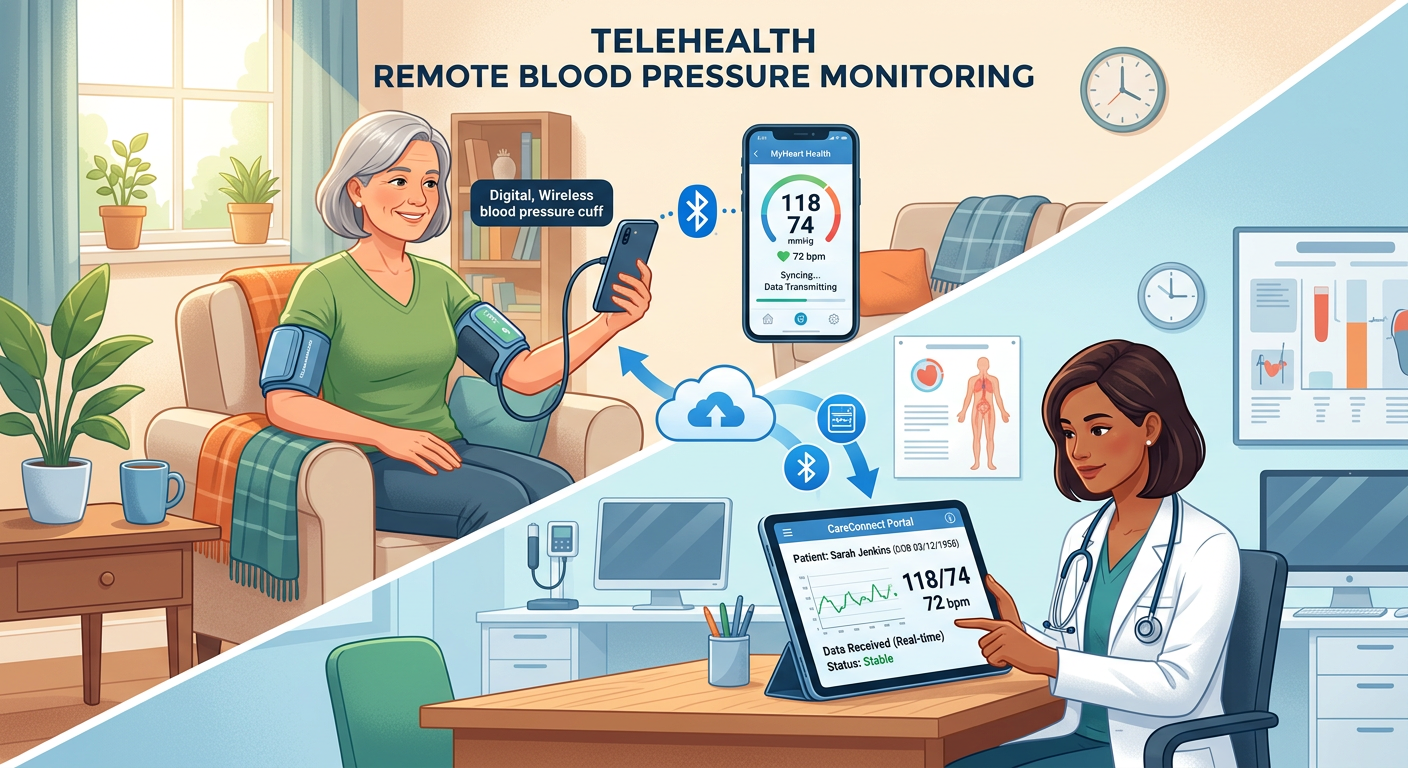
- Integration with eMAR, nurse call, and health monitoring systems for a joined-up picture of each resident
The best care management software doesn’t just digitise existing processes, it actively supports better decision-making at the point of care.
The Leading Platforms: A Snapshot
The UK market is dominated by a handful of well-established names, each with distinct strengths:
- Person Centred Software (PCS) – one of the most widely used platforms in England, known for its mobile-first approach and strong CQC alignment
- Nourish Care – highly regarded for its flexibility and person-centred design, popular with both residential and domiciliary providers
- Carely – a newer entrant gaining traction for its intuitive interface and family engagement features
- Care Vision, Log my Care, and Birdie – each carving out niches in specific provider types or care settings
Choosing between them is not simply a matter of features, it’s about fit with your team’s workflows, your IT infrastructure, and your long-term digital strategy.
Why Some Providers Are Still Hesitating
Despite the clear benefits, a significant minority of providers, particularly smaller, independent care homes, have yet to fully commit to digital care planning. The barriers are well-documented:
- Upfront cost and ongoing subscription fees
- Staff resistance and training burden
- Concerns about data security and GDPR compliance
- Uncertainty about which platform to choose in a crowded market
These are legitimate concerns, but they are increasingly outweighed by the risks of staying analogue. CQC inspectors now expect to see digital evidence of care delivery. NHS partners expect data-sharing capability. And in a sector facing chronic workforce pressures, any tool that reduces administrative burden and supports safer handovers is not a luxury, it’s a necessity.
The Direction of Travel
The trajectory is clear. NHS England’s ambition is for all care homes to be using digital care records by 2026, backed by the Digitising Social Care programme and associated funding streams. Integrated Care Systems are increasingly requiring digital capability as a condition of partnership. And as interoperability standards mature, particularly around FHIR and Shared Care Records, care management software will become the gateway through which care homes connect to the wider health system.
Providers who invest now in robust, well-implemented care planning software are not just improving today’s operations. They are positioning themselves for a future in which digital capability is the baseline expectation, not the differentiator.
The Bottom Line
Digital care management platforms have moved from innovation to infrastructure. The question for most UK care providers in 2026 is no longer whether to adopt care management software, but how well they are using it. For those still on paper, the window for a managed, unhurried transition is closing. For those already digital, the opportunity lies in going deeper; integrating systems, acting on data, and letting technology do more of the heavy lifting so that staff can focus on what matters most: the people in their care.
Further Reading
- DSPT Compliance Tools for Care Homes: A Practical Guide
- Care Homes Are Flying Blind. Shared Care Records Could Change That.
- Your Resident Has a Digital Twin. Now What?
Related Reading
- One Platform to Rule Them All? The Truth About All-in-One Care Home Management Software
- The Rota That Never Works: Why Care Homes Are Still Losing the Staffing Battle
- The CQC Inspection Is Coming. Is Your Evidence Ready, or Just Somewhere on a Shelf?
Frequently Asked Questions
What percentage of UK care homes use digital care management?
As of 2025, approximately 60–70% of UK care homes have adopted some form of digital care records, up from around 40% in 2020. However, adoption is uneven—larger group providers lead, while smaller independent homes often still rely on paper or hybrid systems. DHSC targets full digital adoption across the sector.
What are the main digital care management platforms in the UK?
Leading platforms include Nourish, Person Centred Software (PCF), Log my Care, Care Control, Carebeans and Cura. Each offers different strengths—some prioritise mobile-first care recording, others focus on compliance reporting or integration with pharmacy and GP systems. Selection should be driven by organisational need and staff usability.
What funding is available for care homes going digital?
The Digitising Social Care programme has provided grant funding to support digital transformation, including contributions toward care management software, infrastructure and training. Eligibility and funding levels vary by integrated care system. Care homes should contact their local ICS digital team for current funding availability.