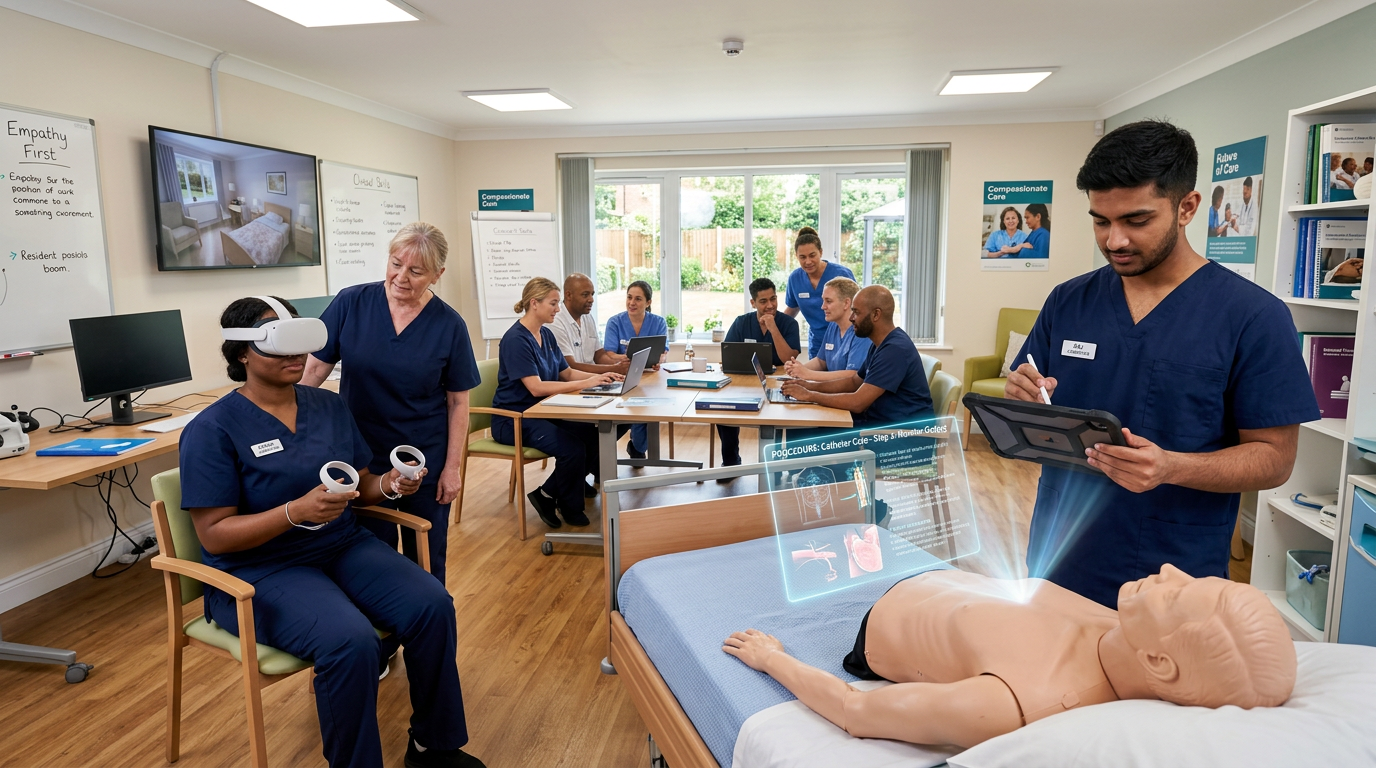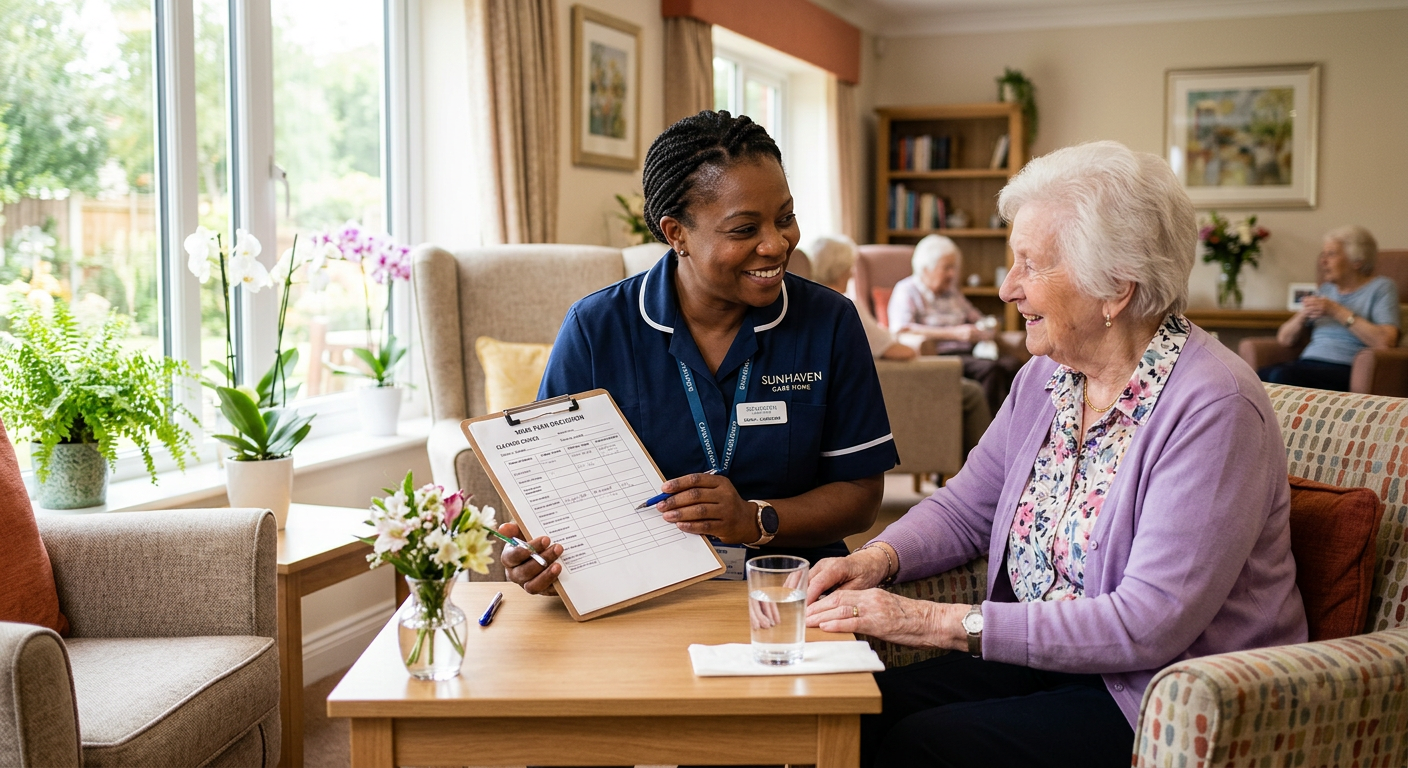

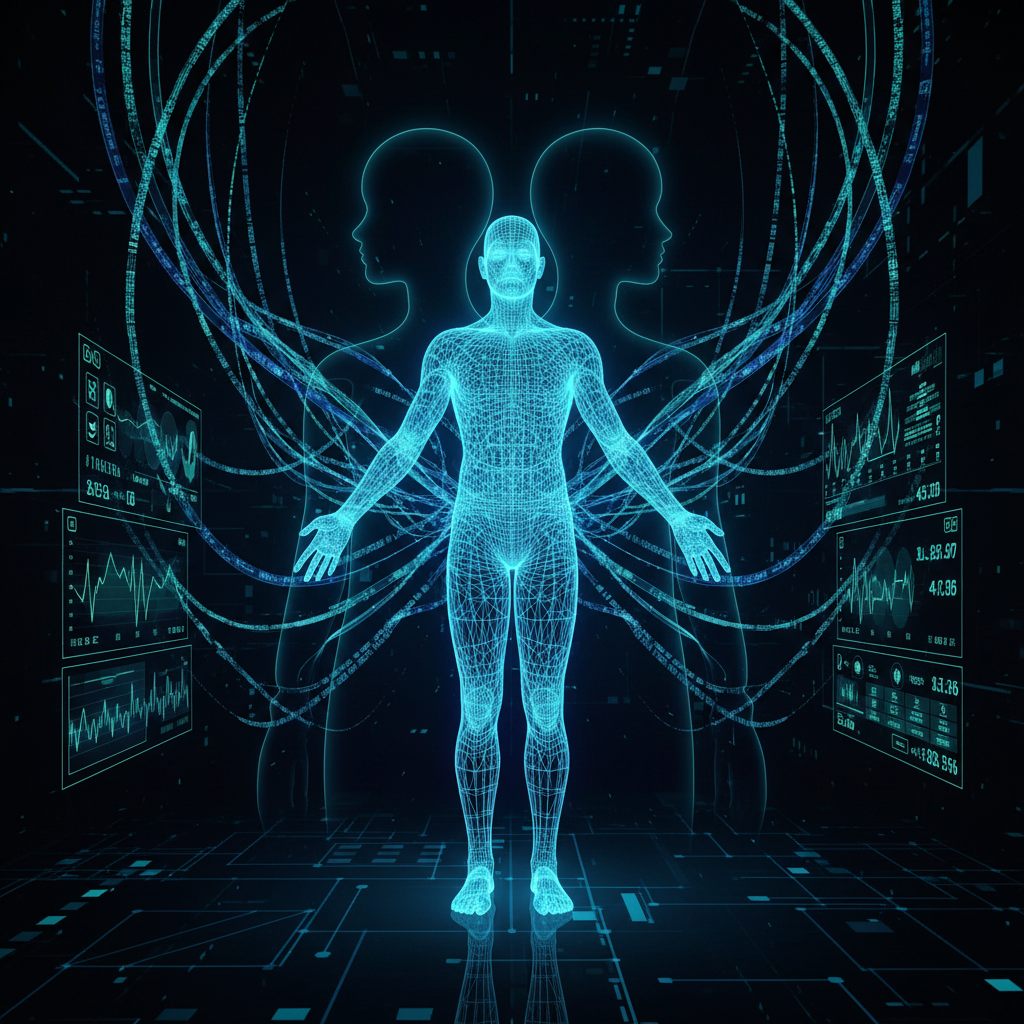
Somewhere in a research lab, a version of you already exists in data. Your weight trends, your medication history, your sleep patterns, your blood pressure at 3am, all of it mapped, modelled, and updated in near real-time. This is the premise of the digital twin: a living, breathing computational replica of a person, a building, or an entire care system. And while it may sound like the territory of aerospace engineers and Formula One pit crews, the technology is moving, faster than most people in adult social care have noticed, towards the care home corridor.
What a Digital Twin Actually Means in Care
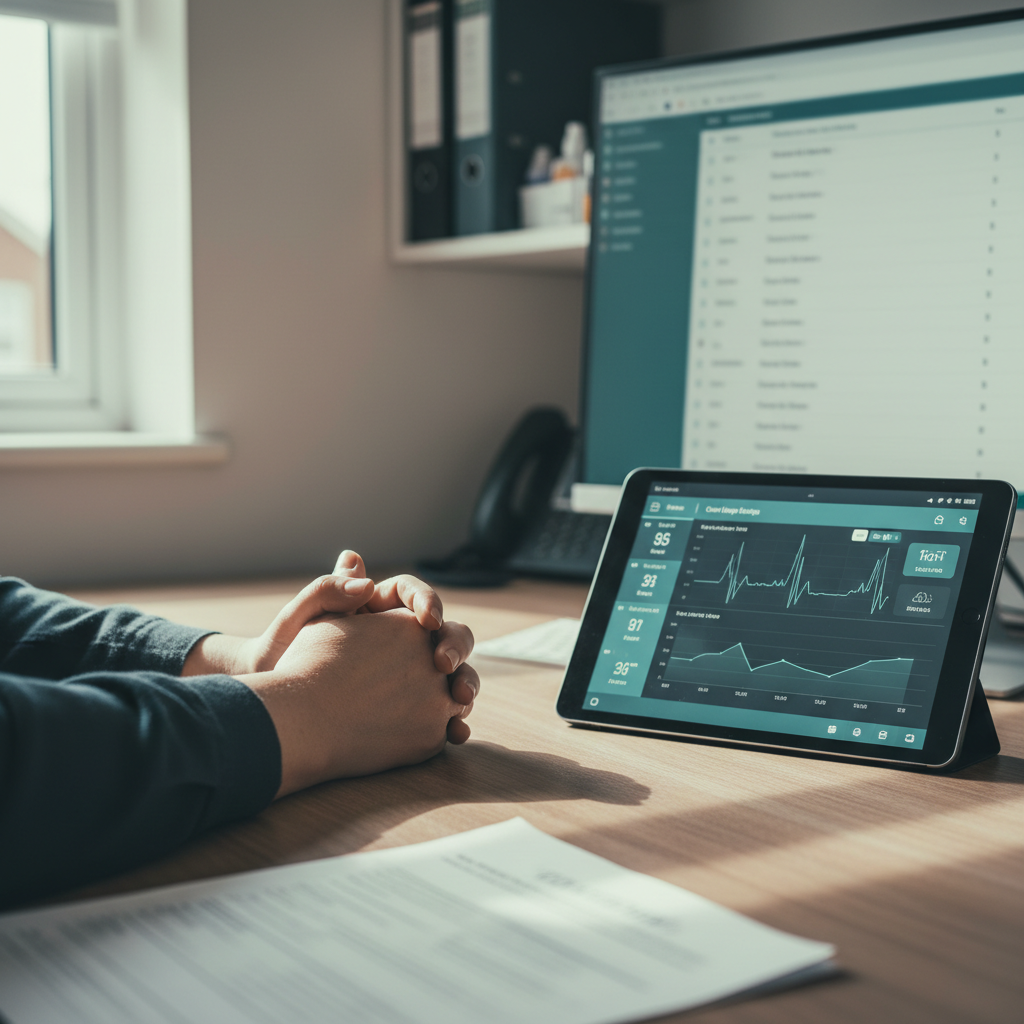
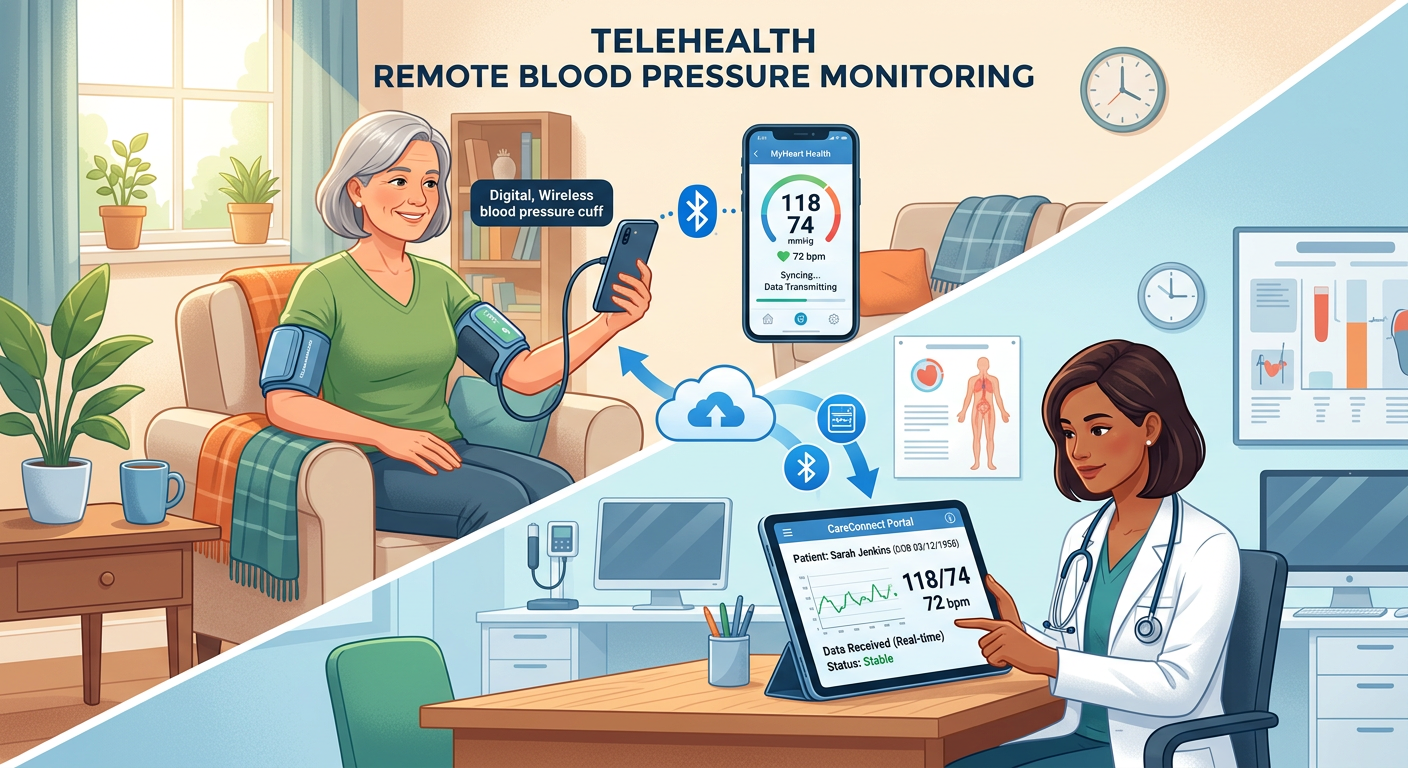
Strip away the science fiction and a digital twin is, at its core, a dynamic model fed by continuous data. In a care context, that means drawing on inputs from electronic care records, wearable sensors, remote monitoring devices, environmental sensors, and clinical systems to build a constantly updated picture of an individual resident. The model does not just reflect what has happened, it simulates what is likely to happen next.
The distinction matters enormously. Most of the technology currently deployed in UK care homes is retrospective: it records, it alerts, it documents. A digital twin is prospective. It asks not what happened to Mrs Ahmed last night but what is the probability that Mrs Ahmed will fall in the next 72 hours, and what can we change right now to reduce it.
That shift, from reactive to predictive, is arguably the most significant transformation available to the care sector in the next decade. And digital twins are the infrastructure that makes it possible.
The Signals Are Already There
The building blocks are not hypothetical. NHS England‘s work on Integrated Care Systems has accelerated the aggregation of health data across settings. Shared Care Records are now live in most ICS areas, giving care homes access to GP and hospital data that was previously siloed. Remote monitoring platforms, tracking vitals, weight, sleep, and continence, are generating the kind of continuous data streams that feed twin models. The question is no longer whether the data exists. It is whether the sector has the architecture, the ambition, and the analytical capability to use it.
Early adopters are already experimenting. In acute hospital settings, digital twin pilots have been used to model patient deterioration, predict bed demand, and simulate the impact of staffing changes before they are made. The University of Birmingham’s work on virtual physiological models, and NHS-backed projects exploring population-level twins for frailty cohorts, point to a trajectory that will eventually reach the care home sector – whether providers are ready or not.
The Care Home as a System Twin
The concept extends beyond the individual resident. A digital twin of a care home itself, modelling occupancy, staffing ratios, infection risk, equipment maintenance cycles, and energy use, could give operators a level of operational foresight that currently does not exist. Imagine knowing, three weeks in advance, that a combination of seasonal illness patterns, a planned staff absence, and a cohort of high-dependency residents creates an unacceptable risk window. Imagine being able to model the impact of hiring one additional bank nurse versus redistributing existing shifts before making the decision.
This is not fantasy. Building Management Systems already capture environmental data. E-rostering platforms hold workforce patterns. Electronic care records hold resident acuity data. The integration challenge is real, but it is an engineering problem – not a conceptual one.
The Uncomfortable Questions
None of this arrives without friction. The ethical terrain around digital twins in care is genuinely complex. Who owns the twin? If a resident’s digital model predicts a high probability of cognitive decline, who has the right to act on that, and how? What happens when the model is wrong, and a care team over-intervenes based on a probabilistic output that did not materialise? How do we ensure that the residents most likely to benefit – those with complex needs, multiple conditions, limited ability to advocate for themselves – are not also the ones most exposed to algorithmic error?
The Mental Capacity Act framework, the CQC‘s emphasis on person-centred care, and the sector’s existing obligations around data governance under the DSPT all create a scaffolding for these questions. But the scaffolding was not designed with digital twins in mind. Regulators, providers, and technology developers will need to build new norms – and they will need to do it before the technology outpaces the conversation.
The Window Is Now
The care sector has a habit of arriving late to technology transitions and then scrambling to catch up. Digital twins represent a rare opportunity to engage early; to shape how the technology is designed, governed, and deployed in care settings, rather than simply receiving whatever the acute sector decides to hand down.
The providers who will lead the next decade of care are not waiting for a government mandate or a CQC framework. They are asking, right now, what their data strategy looks like, which systems they are integrating, and what they want to be able to predict that they currently cannot. The digital twin is the destination. The data infrastructure being built today is the road.
The question worth sitting with is not whether your care home will eventually have a digital twin. It almost certainly will. The question is whether you will have had any say in what it looks like.
Further Reading
- Digital Care Management Platforms in UK Care Homes: Where Are We in 2026?
- Care Homes Are Flying Blind. Shared Care Records Could Change That.
- DSPT Compliance Tools for Care Homes: A Practical Guide
- Why Every Dementia Care Home Needs a Wandering and Elopement Alert System, Now
Related Reading
- Watching Without Waking: The Case for Continuous Vital Signs Monitoring in UK Care Homes
- The Care Home That Knows Before You Do: Why Ambient Assisted Living Is No Longer Optional
- Care Homes Are Flying Blind. Shared Care Records Could Change That.
Frequently Asked Questions
What is a digital twin in the context of care homes?
A digital twin in care is a dynamic digital model of a resident that aggregates real-time data from monitoring devices, care records, medication history and environmental sensors. It allows care teams to simulate care decisions, predict health events and personalise interventions based on live data rather than periodic assessments.
Are digital twins being used in UK care homes now?
Early implementations exist, primarily in research settings and some larger technology-forward care groups. Widespread commercial adoption is still emerging. The prerequisite is having the underlying data infrastructure in place—care management platforms, monitoring devices and data integration—before the ‘twin’ layer adds value.
What are the risks of digital twin technology in care?
Key risks include data accuracy (a twin is only as good as its inputs), data governance (who owns and can access resident health data), algorithmic bias in predictive models, and over-reliance on predictive outputs at the expense of clinical judgment. Robust consent frameworks and human oversight are essential.