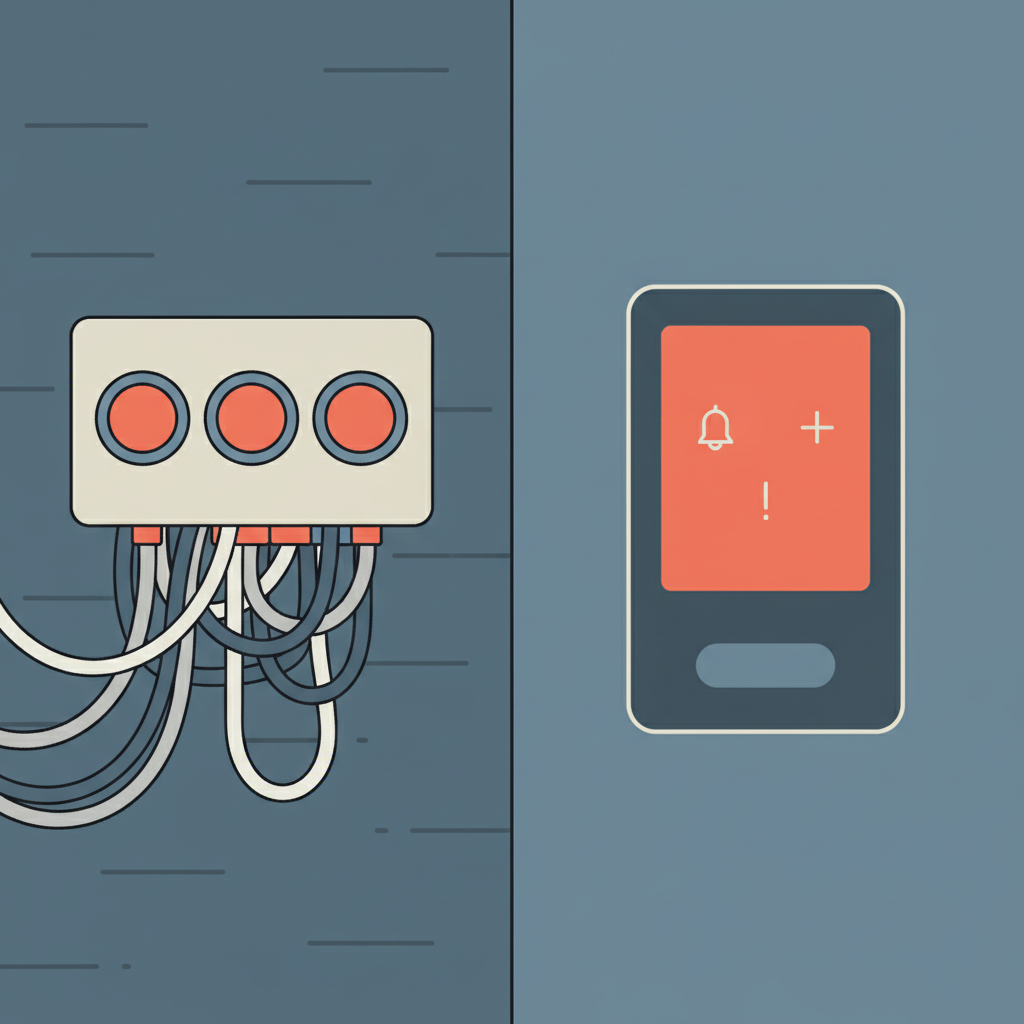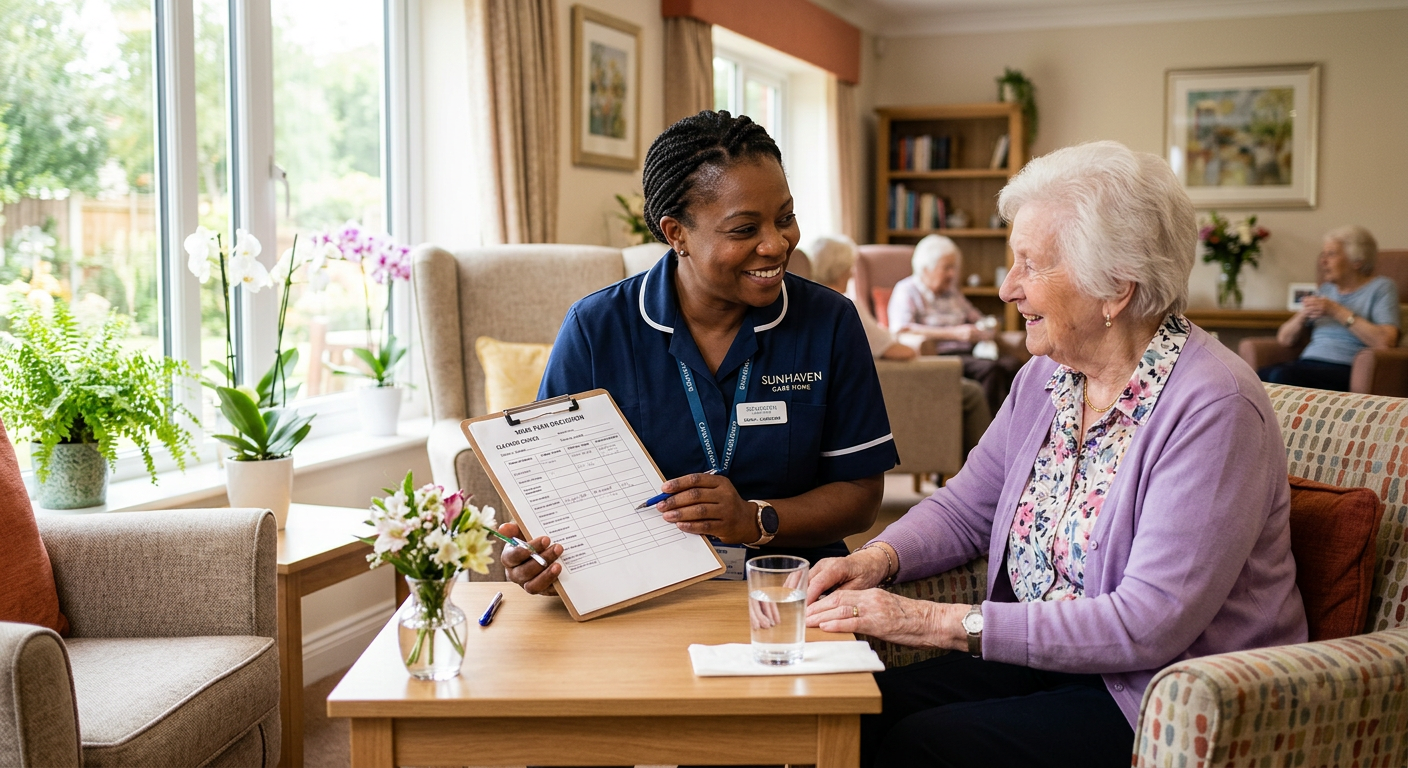

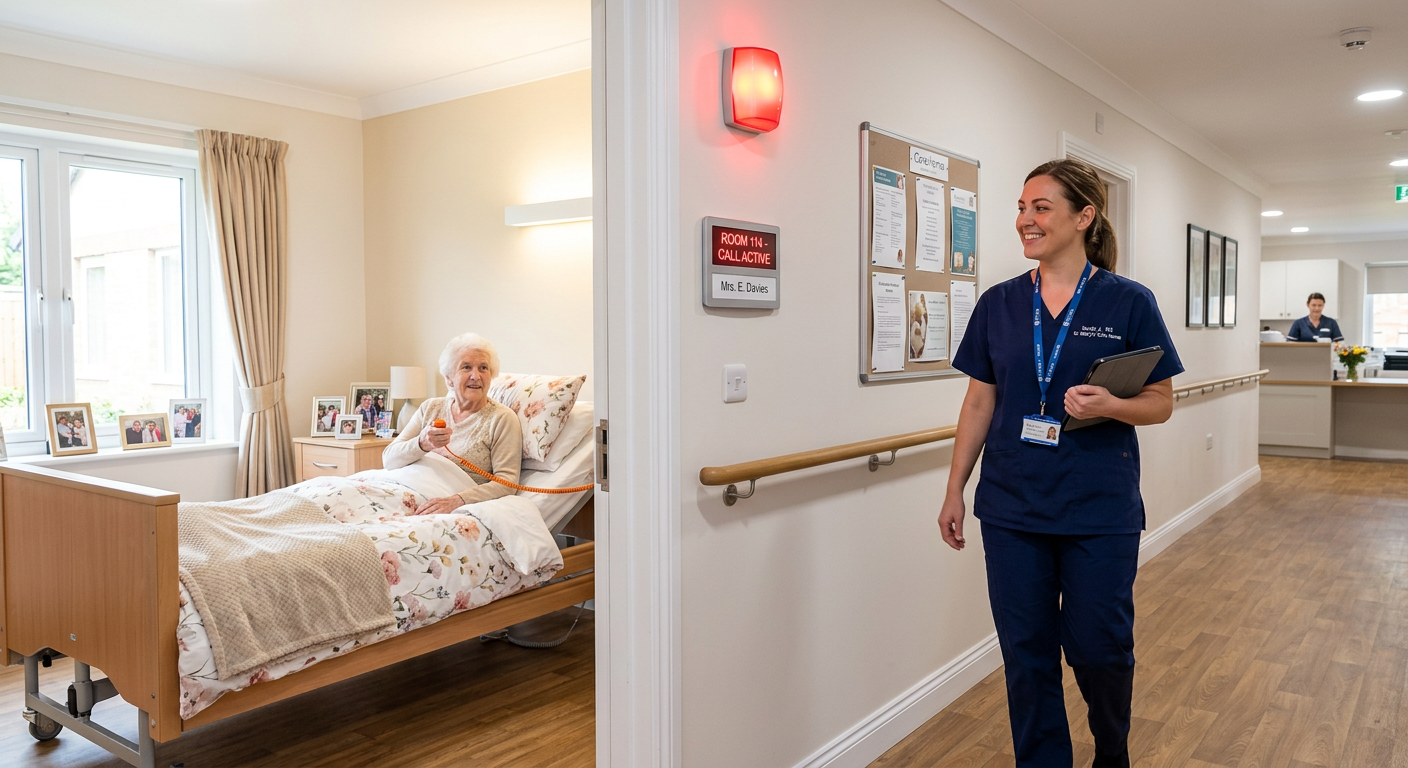
There is a piece of technology in almost every care home in England that has barely changed in its fundamental purpose since the 1950s. A resident presses a button. A light flashes. A buzzer sounds. Someone (eventually) comes. The nurse call system: unglamorous, ubiquitous, and, in many settings, quietly failing the people it was designed to protect.
The shift from wired to wireless nurse call systems was supposed to change all of this. And in some respects, it has. Wireless systems have removed the constraints of fixed infrastructure, made installation in older buildings feasible, and given providers more flexibility in how alerts are routed. But the transition from wired to wireless has also exposed a deeper problem: the technology has evolved, but the culture around it largely hasn’t.
The Gap Between Capability and Practice
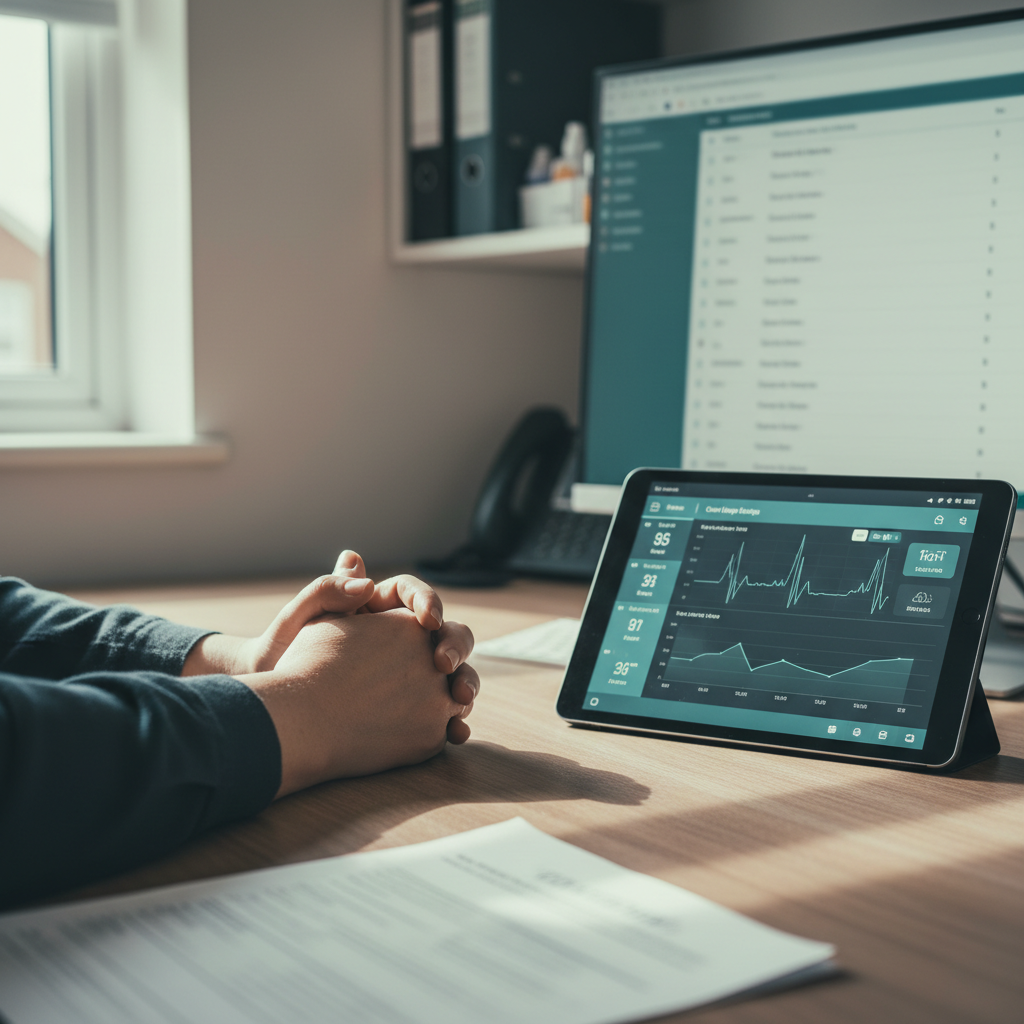
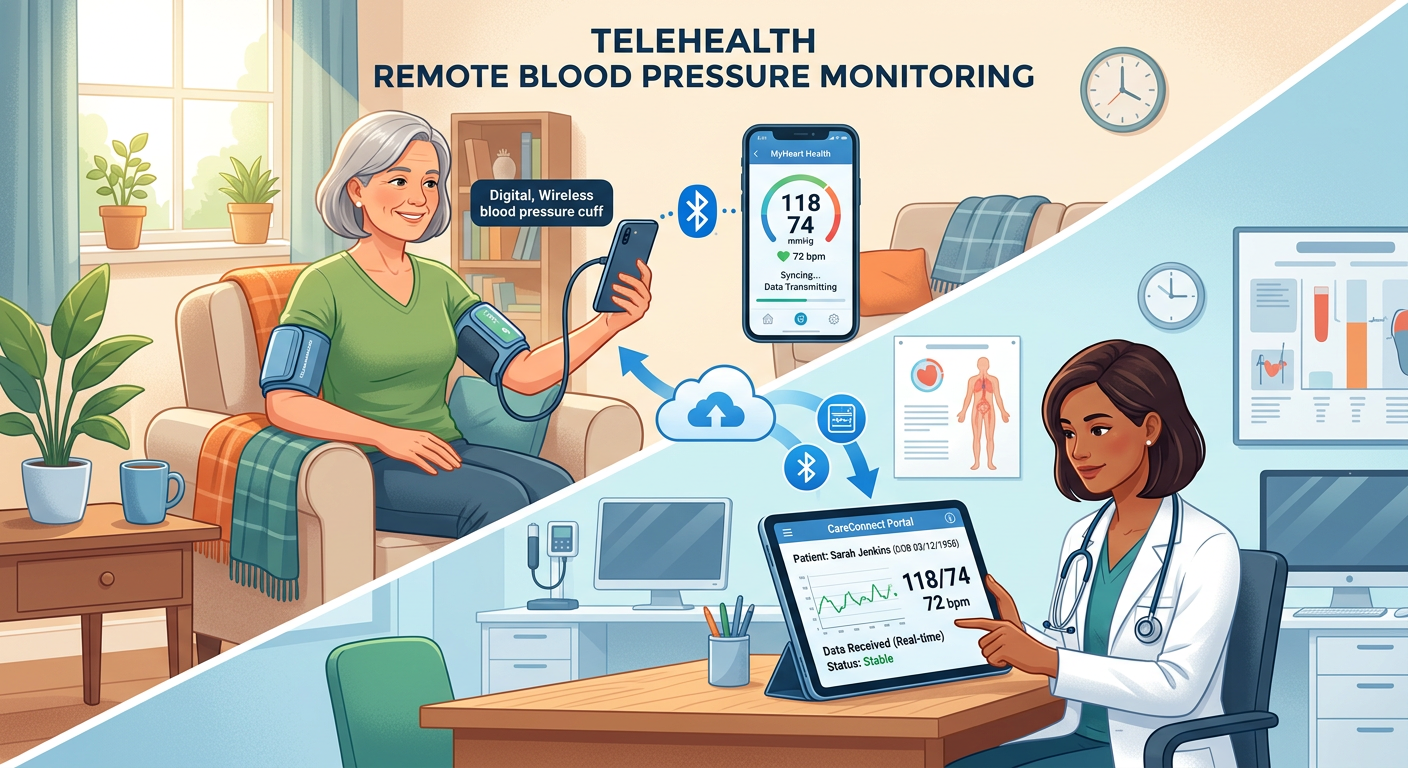
Modern wireless nurse call systems are capable of considerably more than their predecessors. Alerts can be routed directly to staff smartphones or pagers. Response times can be logged automatically. Data can be aggregated to identify patterns; which rooms generate the most calls, at what times of day, and how long it takes staff to respond. In theory, a wireless nurse call system is not just an alerting tool; it is a source of operational intelligence.
In practice, many providers are using these systems at a fraction of their potential. The analytics dashboards go unchecked. The response time data sits unreviewed. The integration with electronic care records, which would allow a call event to be automatically linked to a resident’s care plan — remains unconfigured. The system rings. Someone goes. The loop closes. Nothing is learned.
This is not a technology problem. It is a leadership and prioritisation problem. And it matters because the data that wireless nurse call systems generate is, in many care homes, among the richest real-time operational data available, yet it is treated as a byproduct rather than an asset.
What the Evidence Suggests
Response time to nurse call alerts is one of the clearest proxies for staffing adequacy and care quality that exists. When response times spike, particularly at night, or during shift changeovers, it is often the first measurable signal that something is wrong. Not a complaint. Not an incident report. A data point, generated automatically, that a well-configured system would surface immediately.
CQC inspectors increasingly understand this. The regulator’s single assessment framework places significant weight on responsiveness and on whether providers can demonstrate they are learning from operational data. A care home that can show trend analysis of nurse call response times, and evidence of action taken when those trends deteriorate, is telling a very different story about its governance than one that cannot.
Yet the conversation in many boardrooms and registered manager meetings still treats nurse call as an estates issue rather than a quality issue. It sits in the facilities budget. It gets reviewed when it breaks. It does not feature in quality improvement meetings, in staffing reviews, or in CQC evidence packs, even though it arguably should.
The Integration Opportunity Nobody Is Taking
The most significant missed opportunity in wireless nurse call is integration. The technology to connect nurse call systems with electronic care records, staff rostering platforms, and real-time location systems already exists. A small number of forward-thinking providers are using it. The majority are not.
What would genuine integration look like? A call from room 14 at 2am automatically flags on the care record that the resident was restless overnight. A pattern of repeated calls from the same resident triggers a care plan review. A spike in unanswered calls during a particular shift is cross-referenced with the rota to identify whether it correlates with a staffing shortfall. None of this is speculative. The infrastructure for it exists in products already on the market.
The barrier is not technical. It is the fragmented way in which technology procurement happens in social care, where nurse call, care planning software, and rostering tools are typically bought from different vendors, at different times, with no integration strategy connecting them. The result is a set of systems that each do their individual job adequately, but that collectively tell no coherent story about what is happening in the building.
A Question of Ambition
The wireless nurse call system sitting in your care home right now is almost certainly more capable than you are using it. That is not a criticism, it is a structural reality of a sector that has been asked to do more with less for a very long time, and where technology implementation rarely comes with the training, support, or strategic intent needed to unlock its full value.
But the question worth asking is this: if a resident presses that button tonight, and nobody comes within a reasonable time, will you know about it tomorrow morning? Will you know about it at all? If the answer is no, then the problem is not the technology. The problem is that the technology is being used as a safety net rather than as a management tool, and in a sector where staffing pressures are not going away, that distinction is becoming harder to ignore.
The nurse call system has been ringing for decades. The sector is only just beginning to listen to what it is actually saying.