

Every care home manager knows the feeling. A member of staff does a routine check and a resident isn’t where they should be. The next few minutes are a blur of searching corridors, checking gardens, calling out names. In most cases, the resident is found quickly and safely. But sometimes, they aren’t.
For the 850,000 people living with dementia in the UK, a significant proportion of whom reside in care homes, wandering and elopement are not edge cases. They are predictable, recurring risks that demand a proactive, technology-driven response. Yet too many care homes are still relying on locked doors, vigilant staff, and good fortune. That is no longer good enough.
The Scale of the Problem
Wandering, where a person with dementia moves around in a disoriented or purposeful-seeming way, is one of the most common and dangerous behaviours associated with the condition. Elopement, where a resident leaves the building unsupervised, carries serious risks: exposure to traffic, cold weather, falls, and profound distress for both the individual and their family.
The consequences for care providers are equally serious. An elopement incident can trigger a CQC safeguarding investigation, damage a home’s reputation irreparably, and in the worst cases, result in a coroner’s inquest. The duty of care is clear. The question is whether providers are equipping themselves to meet it.
What Modern Wandering and Elopement Alert Systems Actually Do
The technology available today is sophisticated, discreet, and critically, affordable at scale. Modern wandering and elopement alert systems typically combine several layers of protection:
- Wearable tags or pendants worn by at-risk residents that communicate with sensors throughout the building
- Door and exit sensors that trigger instant alerts when a tagged resident approaches or passes through an exit point
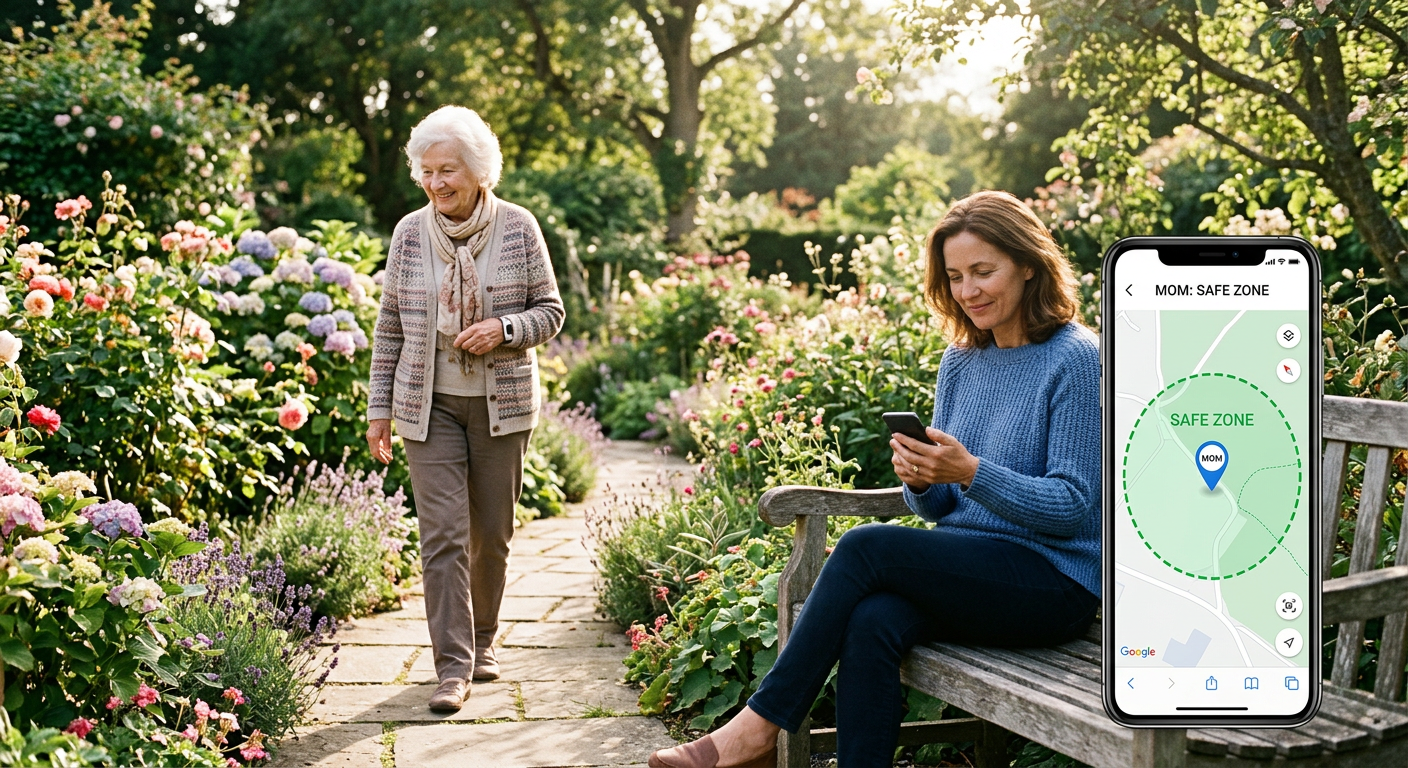
- Real-time location tracking that allows staff to see exactly where a resident is on a floor plan at any given moment
- Zoning and geofencing that can be configured per resident, so one person may freely access the garden while another triggers an alert if they approach the same door
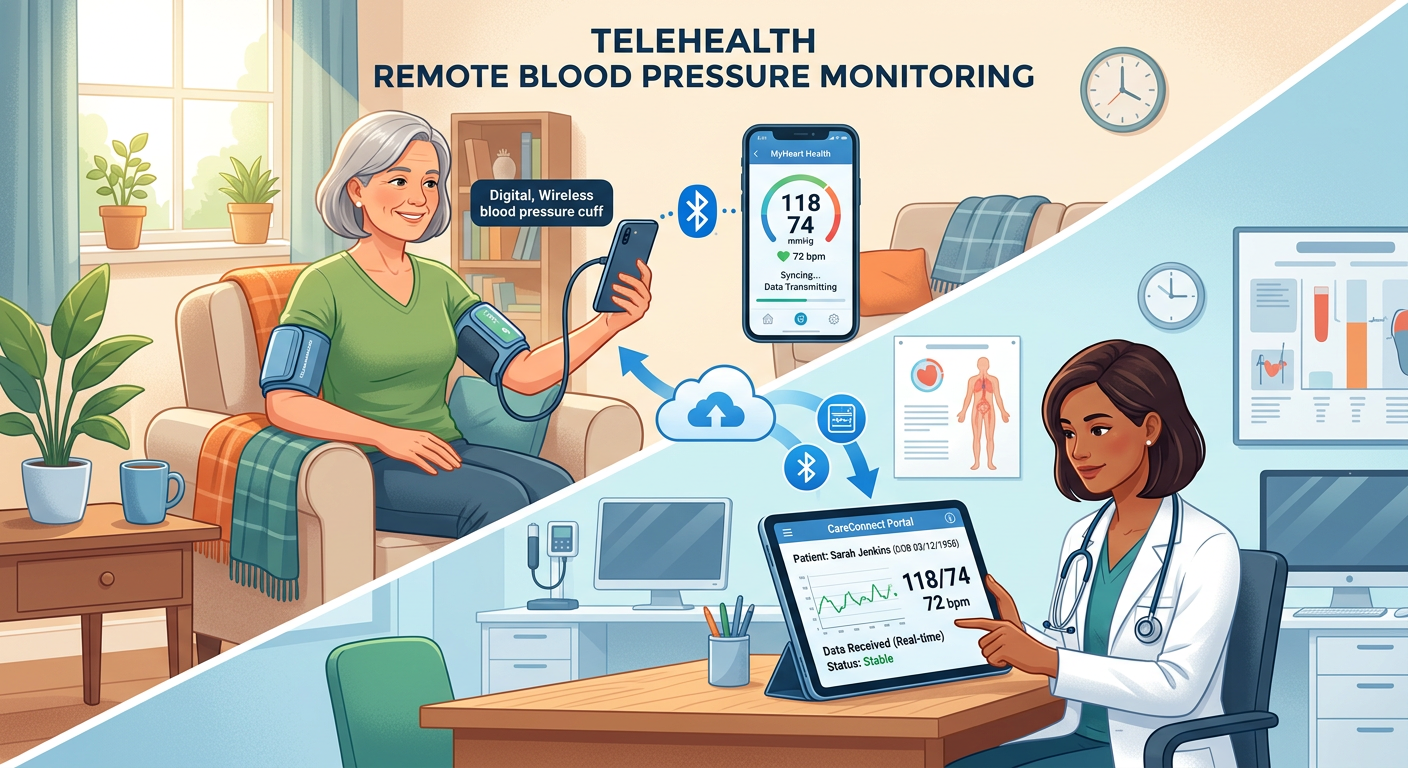
- Instant staff alerts via smartphone, pager, or nurse call integration, ensuring the right person is notified immediately
- Audit trails and reporting that log every alert, response time, and outcome; invaluable for CQC evidence and quality improvement
This is not science fiction. These systems are deployed in care homes across the UK right now. The barrier to adoption is rarely technical, it is organisational inertia and a misplaced belief that existing processes are sufficient.
The Staffing Argument Doesn’t Hold
A common objection is that good staffing levels make technology unnecessary. This argument collapses under scrutiny. No care home, regardless of staffing ratio, can have eyes on every resident at every moment. Night shifts, meal times, handovers, and emergencies all create windows of reduced supervision. Dementia does not respect shift patterns.
Wandering and elopement alert systems do not replace staff, they extend their capability. A well-configured system means that when a resident with a history of exit-seeking approaches a door at 3am, the night staff member is alerted within seconds, before the resident has left the building. That is not a luxury. That is basic safe care.
Personalisation Is the Key
The best implementations of this technology are not one-size-fits-all. Leading providers are integrating wandering alert systems with their digital care records, so that a resident’s known patterns – times of day they are most likely to wander, triggers that precede exit-seeking behaviour, preferred routes – inform how the system is configured for that individual.
This person-centred approach transforms the technology from a blunt alarm into a nuanced safety tool. It also generates rich data that can be used to review and update care plans, identify patterns that staff may not have noticed, and demonstrate to families and regulators that the home is taking a proactive, evidence-based approach to risk management.
The Regulatory Imperative
CQC’s Single Assessment Framework places significant weight on safety, responsiveness, and the use of technology to improve outcomes. Inspectors are increasingly asking not just whether incidents have occurred, but what systems are in place to prevent them. A care home that cannot demonstrate a structured, technology-supported approach to wandering and elopement risk is leaving itself exposed, both to regulatory scrutiny and to the human cost of a preventable incident.
The homes that will thrive in the coming years are those that treat technology not as an optional extra, but as a fundamental component of safe, high-quality dementia care. Wandering and elopement alert systems are not a nice-to-have. They are a professional and ethical obligation.
The Time to Act Is Before an Incident Occurs
No care home manager wants to be explaining to a family, or a coroner, why their loved one was able to walk out of the front door undetected. The technology to prevent that scenario exists, it works, and it is within reach for providers of all sizes.
If your home does not yet have a robust wandering and elopement alert system in place, the question is not whether you can afford to implement one. The question is whether you can afford not to.
Further Reading
- Choosing Bed and Chair Exit Alarms That Deliver Real Protection for Vulnerable Residents
- Digital Care Management Platforms in UK Care Homes: Where Are We in 2026?
- Care Homes Are Flying Blind. Shared Care Records Could Change That.
Related Reading
- The Call Bell That Time Forgot: Why Wired Nurse Call Systems Are Holding Care Homes Back
- Beyond the Basics: Picking Bed and Chair Alarms That Deliver Real Protection for Vulnerable Residents
- The Care Home That Knows Before You Do: Why Ambient Assisted Living Is No Longer Optional
Frequently Asked Questions
What is a wandering and elopement alert system?
A wandering alert system uses door sensors, wearable tags or RFID technology to detect when a resident with dementia approaches or exits a secured area. When triggered, staff receive an immediate alert via nurse call, pager or app, enabling rapid response before the resident reaches an unsafe area.
Are door locking and wandering alert systems compatible with residents’ rights?
Care homes must balance safety with the right to freedom of movement under the Mental Capacity Act and Deprivation of Liberty Safeguards (DoLS). A DoLS authorisation is required if electronic locking or monitoring significantly restricts a resident’s movement. Any system must be reviewed regularly as part of the care plan.
Which suppliers provide dementia wandering alert systems in UK care homes?
UK suppliers include Tunstall, Tynetec, Alcuris and specialist dementia technology providers. Systems range from simple door alarms to integrated location tracking platforms. Key features to compare include alert range, false alarm rates, battery life of wearable tags, and integration with existing nurse call infrastructure.