
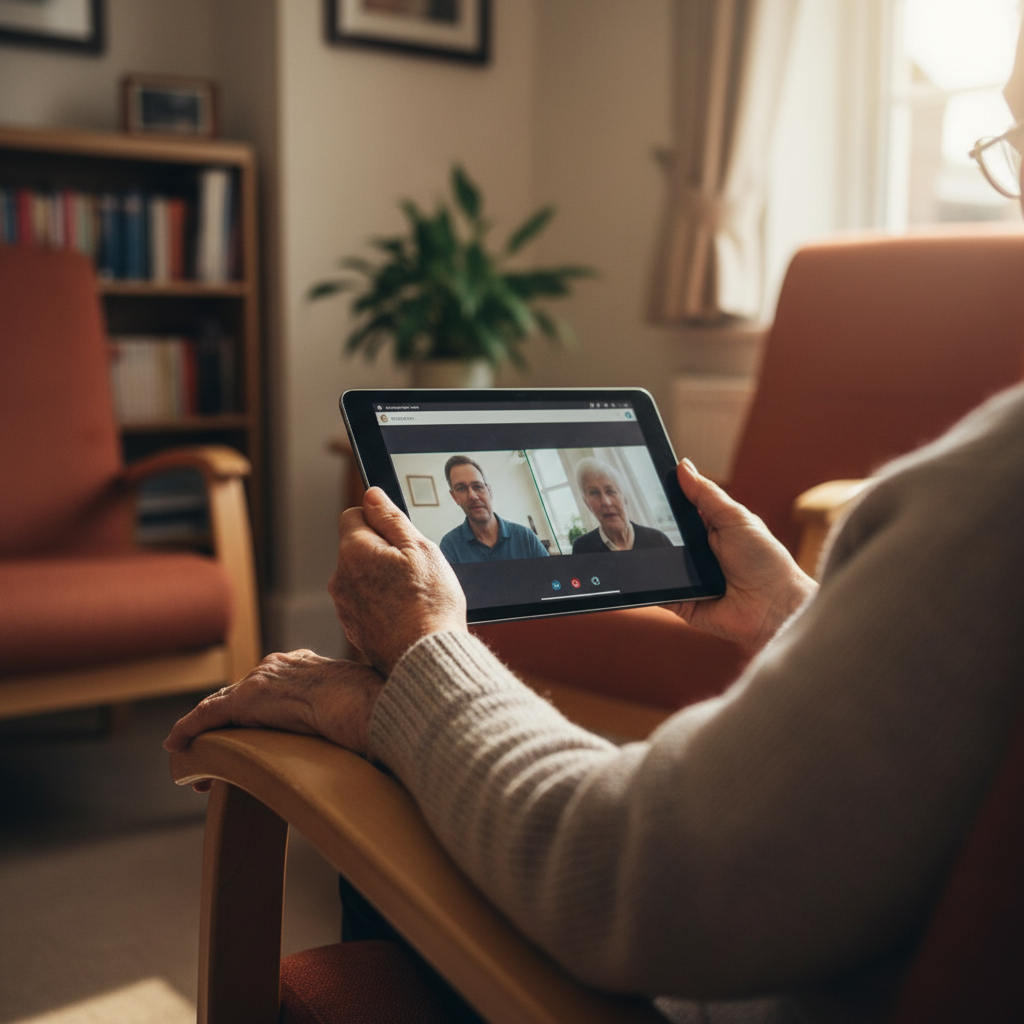
Somewhere in a care home in the East Midlands, a resident with a urinary tract infection waited four days for a GP visit that could have happened in four minutes. The GP surgery was overwhelmed. The care home had a tablet. Nobody had set up the video consultation platform. This is not an unusual story, and that is precisely the problem.
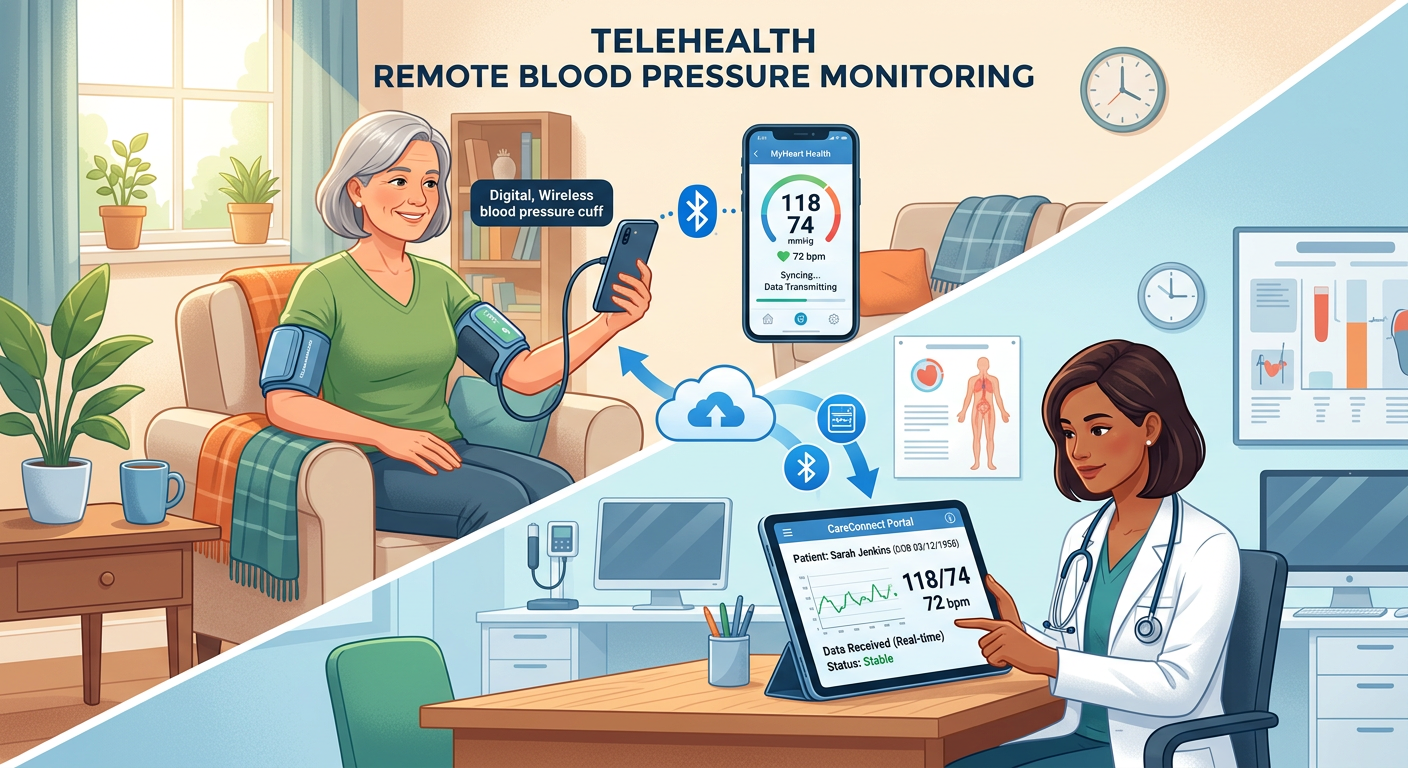
The promise of telehealth in adult social care has been rehearsed at every sector conference for the better part of a decade. Video consultations, we were told, would reduce unnecessary hospital admissions, bring specialist input directly to the bedside, and ease the pressure on a primary care system that was already buckling before the pandemic accelerated its collapse. The technology exists. The clinical evidence is broadly supportive. The NHS has invested in platforms. And yet, in the majority of care homes across England, video consultation remains an occasional workaround rather than an embedded clinical pathway.
The Infrastructure Is There. The Integration Isn’t.
It would be convenient to blame connectivity. Rural care homes with patchy broadband, outdated devices, and no dedicated IT support – these are real barriers, and they deserve attention. But they are not the whole story. Many care homes now have adequate Wi-Fi, modern tablets, and staff who are perfectly capable of facilitating a video call. The problem is not the hardware. It is the absence of any coherent system connecting that hardware to the clinical workflows on the other side.
GP surgeries vary enormously in their appetite for virtual consultations with care home residents. Some have embraced structured weekly video ward rounds, working with care home staff to triage and prepare cases in advance. Others treat the care home’s tablet as an inconvenience, a request to do something differently in a day already stretched beyond capacity. The result is a postcode lottery that has nothing to do with technology and everything to do with relationships, commissioning, and local system leadership.
Specialist access is even more fragmented. The theoretical ability to connect a care home resident with a geriatrician, a pharmacist, or a community mental health nurse via video is genuinely transformative, but only if those services have the capacity, the protocols, and the will to offer it. In many areas, they do not.
What the Evidence Actually Shows
The NHS-funded Enhanced Health in Care Homes (EHCH) framework, embedded within the Primary Care Network contract, was supposed to address exactly this. Structured GP ward rounds, clinical pharmacist reviews, and multidisciplinary team input were all envisaged as regular, proactive touchpoints, many of which could be delivered virtually. The reality has been patchy implementation, with PCNs interpreting their obligations differently and care homes receiving wildly inconsistent levels of clinical support.
Where telehealth has been properly implemented, with clear protocols, trained staff, and genuine clinical buy-in, the outcomes are compelling. Studies from the pandemic period showed reductions in avoidable hospital admissions, faster clinical decision-making, and improved resident and family satisfaction. The technology, in these contexts, was almost incidental. What made the difference was the system around it.
The Care Home’s Role Is Being Underestimated
There is a tendency in policy discussions to frame care homes as passive recipients of clinical services, places where things happen to residents, rather than active participants in their healthcare. This framing is both inaccurate and unhelpful when it comes to telehealth.
Effective video consultation in a care home requires a skilled facilitator: someone who can prepare the resident, manage the technology, relay clinical observations, and follow up on any actions. This is not a trivial ask. It requires training, time, and a clear understanding of the care home’s role within the wider health system. Some providers have invested in this. Many have not, partly because the funding model offers no incentive to do so, and partly because the expectation has never been clearly articulated.
The platforms themselves, whether that is Attend Anywhere, AccuRx, or any number of alternatives, are largely fit for purpose. The limiting factor is almost never the software. It is the absence of a shared understanding between care homes and their clinical partners about who does what, when, and why.
A Structural Problem Dressed Up as a Technology Problem
The persistent framing of telehealth adoption as a technology challenge, a matter of devices, connectivity, and digital literacy, has allowed commissioners and system leaders to avoid the harder conversation. The harder conversation is about funding, about the undervaluation of care home staff as clinical partners, and about the fragmented accountability that means nobody is clearly responsible when a resident waits four days for a consultation that should have taken four minutes.
Video consultation platforms are not going to fix that. But they will, in the right conditions, make it visible, and visibility, in a sector that has spent too long operating in the shadows of the NHS, is not nothing.
The technology is ready. The question is whether the system around it ever will be.
Related Reading
- Care Homes Are Flying Blind. Shared Care Records Could Change That.
- Watching Without Waking: The Case for Continuous Vital Signs Monitoring in UK Care Homes
- The CQC Inspection Is Coming. Is Your Evidence Ready, or Just Somewhere on a Shelf?
Frequently Asked Questions
Can care homes use NHS video consultation services?
Yes. NHS England’s Enhanced Health in Care Homes (EHCH) framework supports virtual ward rounds and video GP consultations. Platforms like AccuRx and Attend Anywhere are used by GP surgeries to connect with care home residents remotely.
Why are video consultations in care homes failing?
The barriers are largely structural, not technological. Poor Wi-Fi in older buildings, insufficient staff time to support residents during calls, lack of integration with care records, and inconsistent GP uptake all undermine what should be a straightforward improvement.
What equipment does a care home need for video GP appointments?
A stable broadband connection, a tablet or laptop with a front-facing camera, and ideally a private space for consultations. Most NHS-approved video platforms require no specialist hardware beyond a standard device with a browser or app.